



The Health Inspector Made Them Pour Bleach on Dinner While the Guests Waited: Selling Food on Your Farm, From Farm Dinners to Cafés (and the Permits Each One Needs)

By Stephen Loke of AgritourismSuccess.com, whose farm is featured in Bloomberg News and Asahi Shimbun
The long table looked like a magazine cover.
It was a Friday evening, October 21, 2011, at Quail Hollow Farm, an eight-acre CSA farm in Overton, Nevada. Guests who had paid in advance were wandering the rows. Young interns were explaining how the farm grew its food. Music was playing. In the kitchen, the first course was plated and ready to go out: mint lamb meatballs.

Then an inspector from the Southern Nevada Health District arrived.
Two days earlier, the health district had phoned the owners, Laura and Monte Bledsoe, and told them their dinner was a public event that needed a permit. Monte left the harvest, drove to the health office, filled in the paperwork and paid the fee. He was told the permit would only be issued after an inspector checked the event.
The inspector showed up at the same time as the guests.
Now read the next part twice, because this is where most farmers get it wrong. The Bledsoes had tried to do it right. Most of the food had been cooked in a certified kitchen in Las Vegas. They had rented a certified kitchen trailer for the farm. A chef was running the meal.
It did not matter.
Over the phone, the inspector's supervisor ruled the food unfit to serve. Some packages had no labels. Some of the meat had not been through USDA inspection. Some dishes were not yet at serving temperature. Vegetables cut ahead of time were treated as a hazard. And the farm had no receipts, because the food came from farms, not from a supermarket.
According to Laura's own account, the only way to keep the guests on the property was to destroy the food. They were told to throw it out and pour bleach on it, so it could not even go to the pigs. Hundreds of pounds of food ended up in the trash.
A farm-to-fork dinner, on a farm, cooked in licensed kitchens, ended with bleach on the meatballs.
The night was saved by a trailer of fresh vegetables headed for the next day's market, a chef who started cooking from scratch and guests who chose to stay. And two years later, Nevada passed a law that would have made that dinner legal. We will come back to that law, because it is a blueprint.
Here is the lesson. The moment you hand a visitor a plate, the law stops seeing a farm and starts seeing a food business. Food brings a separate, stricter set of rules than farm visits: health permits, kitchen standards, meat inspection, liquor licensing, and insurance wording that can quietly stop paying.
This guide is written the way a seasoned operator would brief you at the kitchen table, with the questions a veteran insurance and agricultural-law advisor would make you answer before you sell a single plate. Wherever you see a Risk advisor's note, that is the insurance and legal angle most farmers only hear about after a claim is denied.
Here is what you will learn:
Why food is the most profitable thing you can sell on a farm, and the most regulated
The one legal question that decides which permits you need
The 7-step Farm Food Ladder, from a produce stand to a full café
Four legal ways to host a farm dinner, and the one that gets farms shut down
Why your own beef can sink a dinner, and how to fix it
What it takes to open an on-farm café, including two new state laws
Why a "free" glass of wine with dinner is usually a sale
The insurance trapdoors under every plate, and the questions to ask your agent
A 12-week countdown and a 10-point checklist you can use this season
Why Food Is the Most Profitable Thing You Can Sell on a Farm
Visitors who come to a farm want to eat. That is not a guess. It is in the numbers.
The 2022 Census of Agriculture counted 116,617 U.S. farms selling food directly to consumers, with $3.3 billion in sales, up 16 percent from 2017. Agritourism and recreational services brought U.S. farms about $1.26 billion more. When visitors come, food is often the first thing they buy and the easiest thing to sell again.
And people will pay serious money for a seat at the right table. Outstanding in the Field, the traveling farm-dinner series started in 1999, lists most of its 2026 dinners at $390 per seat, with some reaching $525. Community farm dinners sell for less, but even they command real prices.

Look at the farms we have studied on this site. Carter Mountain Orchard in Virginia added a bakery in 1995, and its cider donuts became one of the farm's biggest attractions (read the Carter Mountain case study). At Applecrest in New Hampshire, the smell of hot cider donuts is part of the reason families make the trip (see how Applecrest built its retail model). Farmer Copleys in England runs a café, bakery, butchery and deli, but every one of those layers came after the farm proved demand (read the Farmer Copleys story). And in Tuscany, Fattoria di Maiano feeds visitors from its own fields in a family-run restaurant (read the Fattoria di Maiano case study).

Food turns a short visit into a long day, and a gate ticket into a full day of spending. A family that stays for lunch also stays for the shop, the pie and the second round of picking. It is the profit engine of agritourism.
So why doesn't every farm do it?
Because food is also the one product that can put your guests in the hospital.

The CDC estimates that roughly 1 in 6 Americans, about 48 million people, get sick from foodborne disease each year. About 128,000 are hospitalized and 3,000 die. That is why health departments treat a ticketed dinner very differently from a hayride.
And here is the math that should keep you up at night. In 2018, researchers at Johns Hopkins modeled what a single foodborne outbreak costs a restaurant. For a fine-dining restaurant, the cost ranged from $8,273 for a small outbreak with five sick guests and no lawsuits, up to $2.6 million for a 250-person outbreak with lawsuits and fines.
Now compare that with what a farm dinner actually earns. University of Vermont Extension published a sample budget for a 45-seat dinner in the field at $65 a plate. Gross income was $2,925. Expenses were $2,354.50. Net profit: $570.50.

Key idea: One small outbreak can wipe out the profit of more than 14 farm dinners. A large one can wipe out the profit of more than 4,500. Your permits, your kitchen process and your insurance are not paperwork. They are the business. |
If you are still deciding whether agritourism pays at all, read our breakdown of real agritourism profits from U.S. farms first. Then come back, because food is where the biggest margins and the biggest mistakes both live.
The One Question That Decides Everything: Are You a "Food Establishment"?
Almost every state builds its food rules on the FDA Food Code, a model code the FDA updates every few years for states and counties to adopt. The Food Code is not federal law. Each state adopts its own version, often with its own changes. FDA's 2024 report found 46 state agencies in 36 states using one of the three most recent editions. California writes its own retail food code.
That means your rules depend on your state and often your county. But the core logic is nearly the same everywhere, and it starts with one definition.
Under the Food Code, a food establishment is an operation that stores, prepares, packages, serves or otherwise provides food directly to the consumer. If you are one, you need a permit, an approved kitchen and inspections.
Now the good news. The Food Code also lists what is not a food establishment. Three exclusions matter to farmers:
A produce stand that only offers whole, uncut fresh fruits and vegetables. Sell apples, not apple slices, and many states won't treat your stand as a food business.
An operation that offers only prepackaged foods that don't need time and temperature control. Think sealed, shelf-stable products made by a licensed producer.
A small bed-and-breakfast. The Food Code excludes an owner-occupied B&B with no more than 6 guest bedrooms, serving breakfast only, to no more than 18 guests, when guests are told the kitchen is not inspected.
That B&B exclusion is gold for farm stays. Breakfast for your overnight guests may need no food permit at all in states that follow this model. Serve those same guests dinner, though, and you may have crossed into a food establishment. Some local rules draw the line the same way. One Texas city ordinance, for example, calls a B&B with more than seven rooms, or one serving meals other than breakfast, a "bed and breakfast extended" that must hold a retail food permit. (For the rest of the legal basics, see how to protect your farm stay.)
Rule of thumb: The law cares about what you hand over and how it was prepared, not that it was grown on a farm. A whole tomato is produce. A sliced tomato on a plate is food service. |
The Farm Food Ladder: 7 Steps From "No Permit" to "Full Restaurant"
Picture every food idea on your farm as a step on a ladder. Each step up earns more per visitor. Each step up also adds rules. Most trouble happens when a farmer climbs three steps at once without noticing.

Step 1: Whole, uncut produce
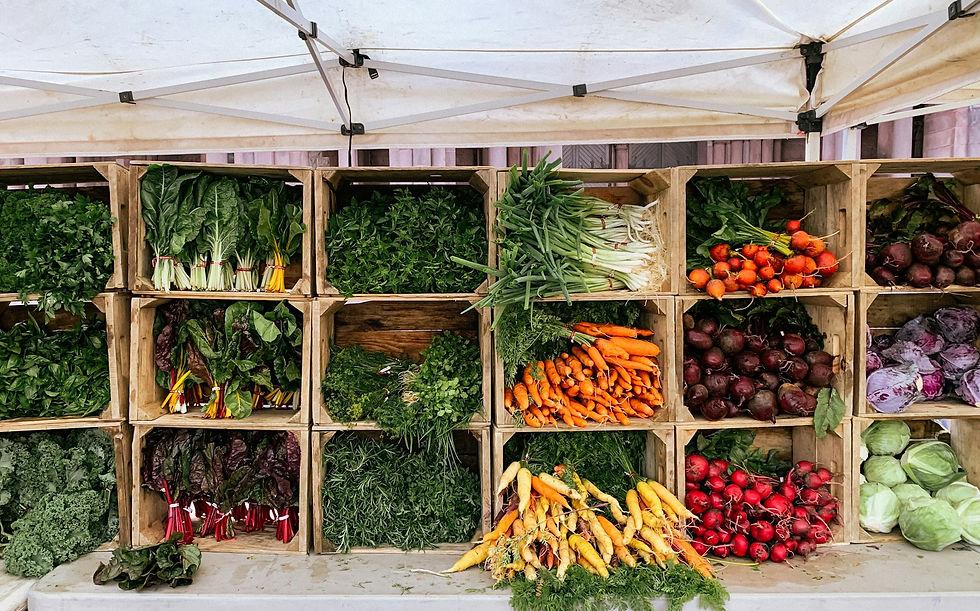
This is your farm stand selling whole fruit and vegetables. Under the Food Code exclusion above, it usually needs no food establishment permit. Your county may still want a business license or a sign permit, and many states have weights-and-measures rules for scales. (Ideas for making it pay: how to set up a farm stand that attracts visitors.)
Watch the slicing knife. The day you start handing out cut melon samples, you may need to follow sampling rules.
Step 2: Cottage foods (jam, bread, cookies)
Every state now has some form of cottage food law. New Jersey was the last to allow homemade food sales, in 2021. Cottage food laws let you sell certain homemade foods that don't need refrigeration, such as many jams, breads, cookies and dry mixes.
The limits are real. Cottage foods are generally shelf-stable foods only. Many states require registration and specific labels, and some cap your sales. New Jersey, for example, caps cottage food sales at $50,000 a year. And no cottage food law covers a plated dinner. (More on this money maker: how to sell preserves, jams and jellies.)
Step 3: Fresh cider and juice

Orchards, pay attention. The FDA requires a warning label on packaged juice or cider that has not been pasteurized or otherwise treated to kill harmful bacteria. Cider sold by the glass for drinking right away does not need that label. If you sell to stores or other wholesale buyers, expect the federal Juice HACCP rules, which require a treatment process. Wisconsin's agriculture department, for example, says any wholesale of juice requires Juice HACCP and a 5-log pathogen reduction.
Step 4: Packaged foods for resale
Salsas, sauces, pickles, baked goods for a store shelf. Outside your state's cottage rules, these are usually made in a licensed or rented commercial kitchen, or by a co-packer, under a food processor license from your state agriculture or health department. Acidified foods like many pickles and salsas can carry their own process rules.
Step 5: The farm dinner
This is where most farms get in trouble, because a one-night dinner feels like a party, not a business. If you sell tickets, the health department will usually treat it as food service. You have four paths here, and we cover each one below.
Step 6: The farm café or kitchen
A permanent place where you serve food every week. This is a restaurant in the eyes of the law. Expect a retail food establishment permit, plan review before you build, inspections, a certified food protection manager and a zoning approval.
Step 7: Alcohol, added to any step
Wine at dinner, cider at the café, beer at the harvest festival. Alcohol is regulated by a separate agency with separate licenses, and it changes your insurance picture more than any other step.
Farm Dinners: Four Legal Paths (and the One That Gets Farms Shut Down)
A farm dinner is the fastest way into food service, and the easiest place to slip. Here are your four real options.
Path 1: Bring in a licensed caterer
This is the path most experienced operators choose for their first dinners. The caterer's license covers the food, the caterer's licensed kitchen does the prep, and the caterer's staff knows how to hold food at safe temperatures.
UVM Extension recommends exactly this as a way to simplify the event, with two warnings. First, not all caterers hold liquor licenses, so you may need a separate licensed bar service. Second, any third party working on your farm should show proof of insurance and name your farm as an additional insured.
The caterer's license does not cover everything. Your farm may still need a zoning approval or special event permit, and the health department may still want to know the dinner is happening.
Path 2: A temporary food permit
Most health departments issue a temporary event permit for food served at a one-time event. The common definition, taken from the Food Code, is an establishment that operates for no more than 14 consecutive days in connection with a single event or celebration. Many farm dinners fit that box.
Apply early. Some departments, like the one at Quail Hollow, will not issue the permit until they inspect your setup, and the day of the event is the worst possible time for that inspection.
Path 3: A state farm-to-fork exemption
Remember Quail Hollow? After that night, Laura and Monte Bledsoe pushed for a change in Nevada law. Assembly Bill 200 took effect on July 1, 2013. It lets a registered farm host a "farm-to-fork event," defined as an event on a farm where prepared food is served for immediate consumption to paying guests, without being treated as a food establishment.
The rules are tight, and they are worth studying even if you don't farm in Nevada:

The farm must register with the health authority first.
Poultry or rabbit served must be raised on the farm and butchered and processed there under Nevada law.
Other dishes, like salads, sides and desserts, must be prepared on the farm from ingredients substantially produced on the farm.
Before anyone eats, every guest gets a notice saying no state or local health inspection was done on the farm or the food.
The farm may hold no more than two farm-to-fork events in a month. A farm that holds a third becomes a food establishment for the rest of that calendar year.
If a foodborne illness complaint is found valid, the farm can be billed for the cost of the investigation.
One year after the bleach, the Bledsoes hosted their second autumn farm-to-fork dinner without any trouble.
Field-tested move: Before you plan your season, search your state statutes for "farm-to-fork," "farm-to-table" or "agritourism food." A few states have carved out special lanes for farm dinners. If yours has one, it may be cheaper than a full permit. If it doesn't, assume your dinner is food service. |
Path 4: "It's a private dinner" (the one that gets farms shut down)
At Quail Hollow, Monte tried to save the night by turning the public dinner into a private one, letting guests join the farm's club on the spot. The inspector refused and threatened to call the police. A Las Vegas Sun report later said regulators had seen the event advertised.
Selling tickets to the public and then calling it private rarely works. Health departments look at what actually happened: Was it advertised? Did strangers buy seats? Did money change hands for food?
Risk advisor's note: "Private" is a legal conclusion, not a word you can print on a ticket. If you advertised it and sold seats, plan as if it is public. Labeling it private does not change what your insurer or the health department will see. |
The four paths side by side
Path | Who holds the food permit | Your workload | Best for |
Licensed caterer | The caterer | Low to medium | First dinners, larger crowds |
Temporary food permit | You, for that event | Medium to high | Occasional dinners with your own chef or crew |
State farm-to-fork exemption | No permit, but you register | Medium | Small dinners from your own harvest, where allowed |
"Private" label on a public event | Nobody | Low, until the inspector arrives | Never |
For more ideas on events that work around the calendar, see 30 farm events by season, with real ticket prices, and our earlier guide to hosting farm-to-table dinners that showcase your produce.
The Meat Trap: Why Your Own Beef Can Sink a Dinner
At Quail Hollow, Nevada's health district put it bluntly in a hearing at the legislature a few months later. Glenn Savage, the district's environmental health director, said the vegetables were not the issue: "The meat was the hitch."
This catches farmers all the time. You raised the steer. You know it was healthy. But the law cares about how it was slaughtered and processed.
Custom-exempt meat is labeled "not for sale." If your animal went to a custom-exempt processor for your own family's use, that meat cannot be sold, and serving it to paying guests is selling it. University of Tennessee Extension's marketing guidance is clear: custom-exempt meat is for the owner, not for sale.
To sell meat by the cut, or serve it at a ticketed dinner, it generally needs USDA or state inspection. That means an inspected processor and an inspection mark.
Poultry has its own exemptions, and they vary. Federal rules let small producers slaughter and process up to 1,000, or up to 20,000, of their own birds a year without continuous inspection. Who you may sell those birds to, including restaurants and caterers, depends on the exemption and on your state. States can adopt both exemptions, one or neither, so check yours before poultry goes on a public menu.
Field-tested move: Send the animals you plan to serve at public dinners through a USDA- or state-inspected processor. Keep the invoices with the event file. Remember, missing receipts were one of the five reasons the Quail Hollow food was destroyed. |
The Farm Café: When Your Farm Becomes a Restaurant

A dinner is an event. A café is a business you run every week. That is the jump from Step 5 to Step 6, and it is a big one.
Plan review comes before the hammer
In most places, you must submit plans for a new food facility to the health department before you build. On Martha's Vineyard, the owners of State Road Restaurant learned this the hard way. They built an unpermitted prep kitchen to clean and prepare produce, fish and meat from local farms and fishermen for their farm-to-table menu. Inspectors flagged it. The town fined them $1,600 under their special permit, the kitchen was shut down and its plumbing was disconnected. The health agent noted that the state food code requires plans to be approved before a facility is built.
That is a restaurant, not a farm. But the lesson applies directly to any farmer who builds a kitchen in a barn first and asks questions later.
A certified food protection manager
The 2022 FDA Food Code says the person in charge of a food establishment must be a certified food protection manager, someone who has passed an accredited food safety exam. Regulators can exempt low-risk operations. Your café will rarely be low risk.
The certificate matters less than what it teaches. CDC researchers studied 800 foodborne outbreaks at 875 restaurants and other retail food establishments from 2017 to 2019. Of the outbreaks where investigators identified what caused them, about 40 percent involved food contaminated by an ill or infectious worker. Most of those businesses already had a policy telling workers to report illness.

Watch out: Harvest week is exactly when your family and staff are exhausted and most tempted to work sick. Line up backup help for your café and dinners before the busy season, so nobody feels they have to come in with a stomach bug. |
Zoning: two new state laws show where the line is
Farm zoning was written for farming, not restaurants. That is changing, slowly, and the changes are telling.
Oregon's farm store law. Governor Tina Kotek signed House Bill 4153 in April 2026, and it takes effect on January 1, 2027. It creates a new "farm store" permit on land zoned for exclusive farm use. Farm stores can sell prepared food and drinks for immediate consumption from on-site kitchens licensed by the Oregon Health Authority, and host agritourism such as farm-to-table meals and farm tours. Enclosed farm store structures are capped at 10,000 square feet, and part of the land must stay in farm use: at least 45 acres on tracts of 80 acres or more, down to 10 acres (or $10,000 in recent farm income) on tracts under 20 acres.
But notice the line Oregon drew. The kitchen may not operate as a café or drive-through. Food has to stay tied to the farm experience. Even one of the friendliest farm-food laws in the country stops short of a full restaurant.
California's home kitchen law. California lets counties opt in to Microenterprise Home Kitchen Operations, or MEHKOs, small home-based restaurants. The current limits are 30 meals a day, 90 meals a week and $100,000 in gross annual sales, adjusted for inflation. As of March 2026, only 18 of California's 62 local jurisdictions had opted in. Los Angeles County charged a $597 application fee and a $347 annual health permit when it launched in 2024. For a farmhouse kitchen in a participating county, that is a real way to test a small paid supper club before building anything.
(Thinking about weddings as well? The zoning issues overlap. Read our guide to farm wedding venue zoning, and before seating anyone indoors, read whether your barn is legal for visitors.)
Field-tested move: Build food in layers, the way the best operators did. Carter Mountain added a bakery before anything bigger. Farmer Copleys started small and added its café later. Run caterer-led dinners first. Count how many people buy food, how much they spend and what they ask for. Then decide whether a permanent kitchen pays. |
Alcohol: The Line Item That Changes Everything
Here is a sentence that surprises almost every first-time host: "free" wine with a ticketed dinner is usually a sale.
In Kansas, the attorney general addressed this directly in a 2007 opinion: a sale occurs when guests pay a ticket, entry fee or cover charge and alcohol is then served to them. Frederick County, Maryland, says a license is needed whenever alcohol is sold, and its event guidance counts a ticket price as a sale. Washington State's rules for nonprofit special occasion events even set conditions for tickets that include alcohol.
What this means for your farm:
If your ticket includes wine, assume you need a license or permit. The type depends on your state: a special event permit, a one-day license, a farm winery license, or a licensed caterer or bar service.
Book early. Washington's special occasion license for nonprofit events, for example, must be applied for 45 days ahead and costs $60 per day per location.
Bring-your-own isn't automatically safe. UVM Extension tells hosts to contact their insurer about required endorsements when alcohol is served or when the event is BYOB.
Hire licensed servers if you can. A licensed bar service carries its own license and, usually, its own liquor liability coverage.
Risk advisor's note: Liquor liability is one of the most common gaps in farm coverage. Insurance form references note that the standard agritainment endorsement used on many farm policies typically adds a liquor liability exclusion. If alcohol is anywhere on your property during an event, get liquor liability or host liquor coverage confirmed in writing before you pour the first glass. |
Insurance: The Trapdoor Under Every Plate
Most farmers think, "I have farm insurance, so I'm covered." Here is why that can be a dangerous assumption the moment you start serving food.

Step 1: whole apples. Nationwide explains that its farm policy includes some product liability coverage, but only for produce you grow on your property and sell in an unprocessed condition. Whole apples from your orchard fit.
Step 2: sliced, baked or cooked. A Virginia Farm Bureau Insurance presentation on agritourism lists a policy exclusion for manufactured or processed products, and warns that once the raw product is altered, product liability coverage under the farm policy may not apply. Slice the apple into a salad or bake it into a pie, and you may have stepped outside your coverage.
Step 3: a ticketed dinner. The National Agricultural Law Center's agritourism insurance fact sheet notes that foodborne illness is not usually addressed in a general farm liability policy, and lists food and beverage service among the activities that need specific riders.
Step 4: wine with dinner. As noted above, the common agritainment endorsement typically excludes liquor liability.
Why "it wasn't my fault" won't save you
In August 2018, a community group in Doniphan County, Kansas, held an Election Day dinner for an estimated 125 to 150 people. Within days, people started getting sick.

State investigators identified 65 cases, 10 confirmed and 55 probable. Thirty-three people sought medical care and 11 were hospitalized. Most of the sick were between 50 and 74 years old. Leftover tomatoes from the dinner carried the same strain of Salmonella as the sick guests.
Here is the twist. Most of those tomatoes were bought at a grocery store, and investigators concluded they were likely contaminated before they were ever purchased. No sign of contamination was found in how the dinner itself was prepared.
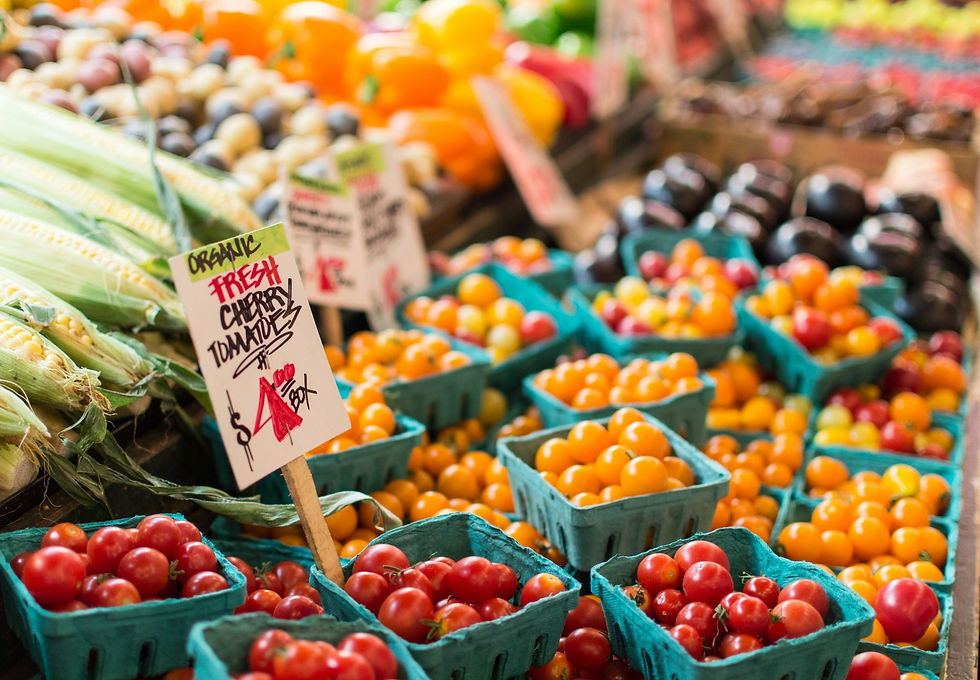
Now picture that dinner on your farm, with your name on the tickets. Guests don't sue the grocery store's supplier first. They come after the host. That is why your coverage, not your good intentions, is what protects the farm.
Risk advisor's note: Ask your agent these questions and get the answers in writing: (1) Does my policy cover food I prepare, cook or process, or only raw products I grow? (2) Does it cover foodborne illness claims from guests eating on the farm? (3) Is food and beverage service a scheduled activity on my policy? (4) Do I have liquor liability, and does it cover BYOB? (5) Does my umbrella policy follow my agritainment coverage? (6) What insurance must my caterer or food truck carry, and will they name my farm as an additional insured? |
That fifth question matters more than it looks. One insurance forms reference notes that the standard ISO farm program has no agritainment endorsement for farm umbrella policies, which could leave a big gap above your main policy. (If your current insurer won't touch food service, read what to do when your farm insurer says no, and see what agritourism insurance covers and costs.)
And don't count on a waiver to fill the gap. Waivers and state agritourism liability laws have limits, and many don't cover what happens in your kitchen. Our guide on whether liability waivers protect your farm explains why.
Allergies: The Guest You Can't See Coming
Since January 1, 2023, U.S. law has recognized nine major food allergens: milk, eggs, fish, shellfish, tree nuts, peanuts, wheat, soybeans and sesame. Sesame was added by the FASTER Act.
At a restaurant, a guest can read the menu and ask the server. At a family-style farm dinner with a surprise seasonal menu, they often can't.
UVM Extension's advice is simple and worth copying exactly. Ask guests about food allergies before the event. Tell them clearly whether you can accommodate them, and how. Check in with them again when they arrive. And if your insurer advises it, write down that you checked.
Field-tested move: Add an allergy question to your ticket checkout form. Print a small allergen card for each dish, listing which of the nine major allergens it contains. It takes ten minutes, and it is one of the most professional touches a guest will notice. |
Your Farm Dinner Countdown
Most farm dinners that run into trouble don't fail because of bad food. They fail because of bad timing: the permit nobody applied for, the liquor license that needed 45 days, the inspector who shows up at 6 p.m.
Here is the order that keeps you out of trouble.

The 10-Point Farm Food Checklist
Before you sell a single plate, cup of cider or slice of pie, run through this list.
Write down exactly what you will serve, how often and to how many people.
Find your step on the Farm Food Ladder. Assume food service the moment food is cut, cooked or plated.
Call your county health department and ask which permit fits: caterer, temporary event, special exemption or full food establishment.
Call your zoning office and ask whether dinners, food sales or a café are allowed on your land.
Search your state laws for cottage food, farm-to-fork and agritourism food rules.
Use only inspected meat and poultry for public meals unless your state law clearly says otherwise.
Put a certified food protection manager in charge of any kitchen you run yourself.
If alcohol is involved, get the right license or a licensed bar service, and confirm liquor liability coverage.
Ask your insurance agent the six questions above, and get the answers in writing.
Collect allergies before the event, write a sick-worker rule, and keep every invoice and permit in one event folder.
Want the bigger picture of what your farm needs before opening to the public? Our 50-state guide to agritourism laws covers liability acts, warning signs and registration.
Frequently Asked Questions
Do I need a permit to host a farm-to-table dinner?
In most states, yes, if you sell tickets to the public and serve prepared food. The usual options are hiring a licensed caterer, getting a temporary food permit for the event, or using a state farm-to-fork exemption where one exists, such as Nevada's. Check with your county health department first.
Can I sell food from my farm without a permit?
Often you can sell whole, uncut produce without a food establishment permit, because the FDA Food Code excludes produce stands that sell only whole, uncut fruits and vegetables. Many shelf-stable homemade foods can be sold under your state's cottage food law, usually with registration, labels and sometimes a sales cap. Prepared meals almost always need a permit.
Can I serve my own farm-raised meat at a farm dinner?
Usually only if it was processed at a USDA- or state-inspected facility. Custom-exempt meat is labeled not for sale and cannot be sold to paying guests. Some states allow limited exemptions, such as Nevada's rule for poultry and rabbit at registered farm-to-fork events, so check your state law.
Is a farm dinner with included wine considered selling alcohol?
In many places, yes. Kansas's attorney general has said a sale occurs when guests pay a ticket or entry fee and alcohol is then served. Plan on a special event permit, a licensed bar service or another license that fits your state, and confirm liquor liability insurance.
Does my farm insurance cover food I serve to visitors?
Often not fully. Some farm policies only cover product liability for produce you grow and sell unprocessed, and foodborne illness is not usually addressed in a general farm liability policy. Food service and alcohol usually need separate riders or policies. Ask your agent in writing.
Can I serve breakfast to guests at my farm stay without a food permit?
Possibly. The FDA Food Code excludes small owner-occupied bed-and-breakfasts with no more than 6 guest bedrooms that serve only breakfast to no more than 18 guests, when guests are told the kitchen isn't inspected. Your state's version may differ, and serving other meals can change your status.
The Bottom Line
Go back to that October night in Overton one last time.
Quail Hollow Farm did not fail because the food was bad. Nobody got sick. The chef was skilled and the guests were happy. It failed on paperwork, timing and one legal definition: the moment a farm sells a plate, it is a food business.
The good news is that every one of those problems was preventable. A permit applied for weeks earlier. Meat from an inspected processor. Invoices in a folder. A caterer's license, or a state exemption, chosen on purpose. A year later, the same farm hosted its next autumn dinner without any trouble. A year after that, Nevada had a farm-to-fork law its owners helped pass.

Food is the most profitable thing many farms will ever sell to visitors. It turns day-trippers into regulars, a gate fee into a full day of spending, and a farm into a destination. Climb the ladder one step at a time, get every answer in writing, and you get to keep all of that.
Your next step (free): Take the Farm Readiness Quiz to see exactly where your farm stands before you serve your first plate to the public. Then download the free 21-Point Agritourism Blueprint, the step-by-step checklist for opening your farm to the public the right way, legally and profitably. |
Important: This article is general education, not legal or insurance advice. Food, liquor and zoning rules change often and differ by state, county and city. Before selling food or alcohol to visitors, confirm your situation with your local health department, zoning office, state liquor authority, insurance agent and an attorney licensed in your state.
Sources
Las Vegas Sun: Lawmakers asked to exempt farm-to-table events from food rules (January 2012)
Farm-to-Consumer Legal Defense Fund: Nevada Farm-to-Fork Bill Now Law (2013)
Farm-to-Consumer Legal Defense Fund: Revisiting the Farm-to-Fork Fiasco (2012)
Nevada Division of Public and Behavioral Health: Farm-to-Fork Events Program
USDA 2022 Census of Agriculture highlights (direct-to-consumer sales)
Penn State NERCRD: U.S. agritourism and direct-to-consumer sales data briefs
University of Vermont Extension: How to Host Dinners on Your Farm (2020)
Food Safety Magazine: FDA Food Code, Age 30, Up for Adoption (California's separate code)
FDA: Adoption of the FDA Food Code by State and Territorial Agencies
Arizona Admin. Code R9-8-101: Food Code definitions and exclusions (produce stands, B&Bs)
City of Wichita Falls, Texas: food establishment rules (bed and breakfast definitions)
Institute for Justice: A Timeline of Recent Cottage Food Expansion
University of Tennessee Extension: Understanding regulations for marketing meat and poultry
Farm-to-Consumer Legal Defense Fund: Poultry exemptions by state
Vineyard Gazette: State Road Restaurant fined over unlicensed prep kitchen
Colorado regulation adopting the 2022 FDA Food Code (certified food protection manager)
CIDRAP: 40% of US foodborne restaurant outbreaks traced to sick workers (CDC MMWR, 2023)
KTVZ: Governor signs bill to help Oregon farm stands flourish (April 2026)
LA Public Press: Los Angeles County's new MEHKO program (2024)
Kansas Attorney General Opinion 2007-3: tickets and the sale of alcoholic liquor
Washington Admin. Code 314-05-030: special occasion license events
City of Port Townsend: Washington liquor banquet permits and special occasion licenses
National Agricultural Law Center: Agritourism and Insurance fact sheet
InsuranceXDate: ISO FL 05 01 Agritainment Liability endorsement
FDA sesame allergen guidance coverage: Sesame becomes the 9th major food allergen


Comments