



They Lost a Third of Their Herd, Then Won Britain's Top Dairy Award: 9 Money Lessons Hidden in the British Farming Awards 2026 Winners


In 2022, Paul Williams and Sarah Bevan took on Wallhope Farm, the Gloucestershire dairy his grandfather bought in 1964.
Their first year brought an exceptionally dry summer and a big bill for bought-in feed. In the second year, bovine TB hit the herd.
"We lost a third of the herd," the couple told their lender, Oxbury.
Plenty of young farmers would have sold up after that. Paul and Sarah kept opening the farm gate wider instead. They pasteurised their own milk and sold it from a vending station. They added a gelato parlour. They turned part of the farmhouse into a holiday let and added a hot-tub cabin for couples. Their lender says those plans helped save the farm, and the visitor income helped keep it going.
On Thursday 15 October 2026, at the VOX in Birmingham, Wallhope Farm was named Dairy Farmer of the Year at the British Farming Awards. Sarah told Farmers Guardian they had only been doing it for about four and a half years.
Here's what most of the coverage missed.
The two official Diversification trophies went to an oat mill and a compost business. But read every winner's profile, as I did, and something else jumps out. The 2026 winners for Dairy, Family Farming Business, Regenerative Farming, Sustainable Farming, New Entrant, Content Creator and Outstanding Contribution all earn money directly from the public. They do it through holiday stays, flower fields, gelato, hog roasts, egg vending, a pub and a farm park.
Britain's best farms aren't choosing between farming and visitors. They're using visitors to protect the farm.
In this article, I'll show you exactly how they did it, with the real prices they charge. You'll get nine lessons you can use on your own land, wherever in the world you farm, and the paperwork to check before you copy any of them.
The Short Answer: Who Won the British Farming Awards 2026? The British Farming Awards are the UK's annual farming awards, hosted by Farmers Guardian. The 2026 winners were named on 15 October 2026 at the VOX, Birmingham. Glebe Farm Foods won Large Diversification of the Year. James Casswell won Small/Medium Diversification. Wallhope Farm won Dairy Farmer of the Year, and the Padfield family won Family Farming Business of the Year. At least seven of the 2026 winners sell directly to the public, through stays, day visits, farm food or events. |
What Are the British Farming Awards?
The British Farming Awards are one of the biggest nights in the UK farming calendar. They are hosted by Farmers Guardian and organised by its parent company, Agriconnect, with Morrisons as the supporting partner.
2026 was the 14th year. There were 21 categories plus two special recognition awards, including three new categories: the Farm Safety Award, Agricultural Supplier of the Year and Farm Adviser of the Year. Entry is free. Around 900 people from across British farming packed the ceremony this year.
The British Farming Awards 2026 Winners: Full List
Here are the winners of the main farming categories, with the part that matters most to you: how each one earns money from the public, if it does.
Award | 2026 winner | How they earn from the public |
|---|---|---|
Dairy Farmer of the Year | Wallhope Farm, Gloucestershire | Moo HQ sells their own milk and gelato; two holiday stays |
Family Farming Business of the Year | Padfield family (Padfield Porkies), Wiltshire | Own butchery and hog roast catering, now 100+ events a year |
Outstanding Contribution to British Agriculture | Jo Hilditch, Whittern Farms, Herefordshire | White Heron Estate stays, tours and British Cassis |
Regenerative Farmer of the Year | Mallard Grange Farm, North Yorkshire | Pick-your-own flowers, B&B, eggs and meat boxes |
Sustainable Farmer of the Year | Cole Farming, Mid Devon | A pub and a veg box; farm shop and café planned |
New Entrant to Agriculture | Rodrigo Navarro, Wandering Feathers, Hampshire | Egg Shed vending machine and weekly deliveries |
Content Creator of the Year | Ben Best, Dumfries and Galloway | 2.5 million followers and the family's farm park |
Farming Hero | Hawkstone Farmers' Choir | Took farming's story to the nation on TV |
Large Diversification of the Year | Glebe Farm Foods, Cambridgeshire | Own oat brand: oats, flour, granola, oat milk |
Small/Medium Diversification of the Year | James Casswell, Lincolnshire | Own bagged peat-free compost |
Beef Farmer of the Year | J. H. Allis and Son, Lincolnshire | Not a visitor business |
Sheep Farmer of the Year | William Roobottom, Staffordshire | Building a social media following |
Arable Farmer of the Year | Russ McKenzie, Cambridgeshire | Not a visitor business |
Grassland Farmer of the Year | Graham Parks, Cheshire | Not a visitor business |
Agriculture's Woman of the Year | Clare Wise, Co Durham | School visits and speaking up for farmers |
Employer of the Year | St. Ewe Free Range Eggs, Cornwall | Own egg brand, 152 staff |
The other awards went to Callum Lindsay (Farm Safety), Emma Burgess of Shetland (Agricultural Student), Daw Refrigeration of Exeter (Agricultural Supplier), AgriStride of Lancashire (Agri-innovation), Kirby Cattle Services of Cheshire (Contractor), Chloe Rodriguez of Midlothian (Farm Adviser) and Mollie Farney of Gloucestershire (Farm Worker).
The Pattern Nobody Announced on Stage
Put the winners side by side and the pattern is hard to miss.

Seven of these eight winners sell straight to the public, whether that's a night's stay, a day out, a tub of gelato or a dozen eggs. Several do two or three of those things at once.
None of them gave up farming to do it. Wallhope is still a 200-cow dairy. Mallard Grange still runs 140 suckler cows and 400 ewes. Cole Farming still produces more than a million chickens a year. The visitors sit alongside the farm, not instead of it.
Why This Matters, Even If You Don't Farm in Britain
British farmers are going through a hard stretch. In 2025, the Office for National Statistics counted more closures of agriculture, forestry and fishing businesses than in any year since its records began in 2017. The old Basic Payment Scheme has been phased out, and the delinked payments that replaced it end after 2027. And since April 2026, inheritance tax relief on larger farms has been capped.
Look at where the money on an average English farm now comes from. In 2024/25, Defra's Farm Business Survey put average farm business income at £71,200. Of that, £22,400 came from diversification, making it the largest single source. Farming itself brought in £14,200.
Diversification is no longer a hobby on the side. 72% of farm businesses in England had diversified activities in 2024/25, about ten points more than in 2015/16.
But here's the part the headlines skip.

The average farm that runs tourist accommodation and catering earned just £8,700 a year from it. Sport and recreation earned £3,600. Letting buildings, the most common side business, earned £27,900.
So the average visitor business on a British farm is small. The winners in this article are not average. They show what happens when a visitor business is planned, priced and run properly, rather than added as an afterthought. The rest of this article is about closing that gap.
The same squeeze is happening on farms around the world. In the United States, farms earned $1.26 billion from agritourism and recreation in 2022, yet most of that money went to a minority of farms. I broke those numbers down in my agritourism statistics guide. And if low crop prices are hurting you right now, read how other farms are using visitors to fill the gap.
Lesson 1: Wallhope Farm Turned the Milk It Already Had Into a Front Door
Wallhope did not start with a theme park. It started with a jug of milk.
The farm is 90 hectares with about 200 cows on the edge of the Wye Valley, under four miles from Chepstow. That's an ordinary family dairy. The first visitor product was simply their own milk, pasteurised on the farm and sold through Moo HQ, a self-service vending station open from 7am to 7pm every day. It sells their milk and milkshakes, plus gelato made on the farm and sold in tubs.
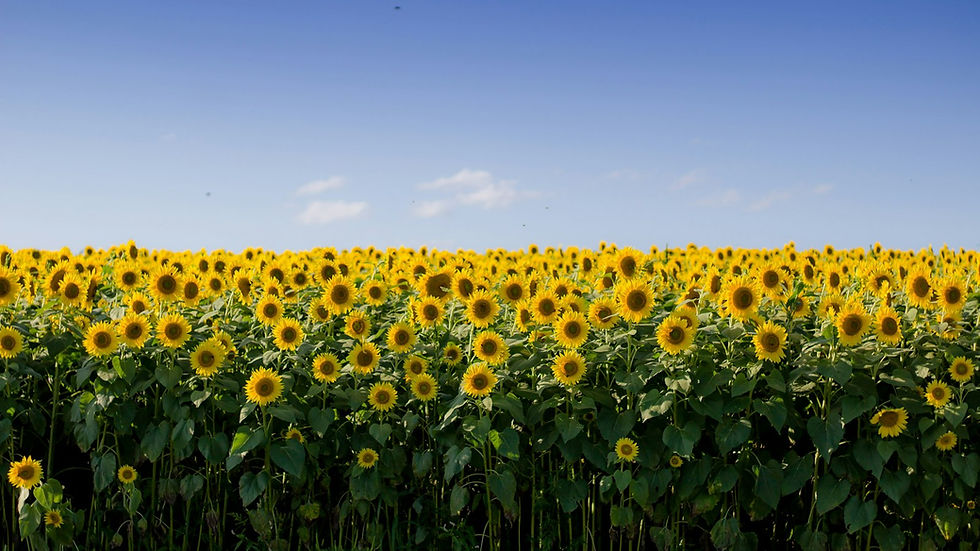
Then the farm kept adding small steps. A gelato trailer took the product to weekend events. A sunflower field, a maize maze, a pumpkin patch and Christmas trees gave families a reason to come back each season. Part of the farmhouse became a holiday let. Today guests can book Wallhope Retreat, which sleeps four, and The Nook, a hot-tub cabin for two adults.

Each step reused something the farm already had: the milk, the cows, the view, the house. None of it needed a new farm.
The guest reviews tell you why it works. Visitors to The Nook mention the hosts dropping off a bottle of the farm's own milk. That small gesture makes a holiday booking feel like a farm story. It also sells more milk.
Field-Tested Play: Sell what you already make, at your own gate first Before you build anything for visitors, ask: what do I already produce that a family would happily buy at my gate? Milk, eggs, honey, fruit, meat, flowers. Start there. A vending machine or honesty shelf costs far less than a café and tells you within a season whether people will make the trip. |

If you're weighing up a cabin like The Nook, my step-by-step guide to starting a farm stay covers what to build first. And before you set a nightly rate, read why most farm stays undercharge.
Lesson 2: Padfield Porkies Stopped Selling Pigs and Started Selling Parties
The Padfield family farm 48 hectares at Seend in Wiltshire. They are the third generation. They raise pigs, the pigs travel two miles to a local abattoir, and the pork comes straight back to the family's own butchery.
That butchery began as a one-day-a-week job run by John and Sandra Padfield. Then came the hog roast. One machine did six events a year.
Today the hog roast and outside catering business does more than 100 events a year, and it can cover three or four events on the same evening. The butchery now employs two full-time butchers plus two self-employed staff, turning out sausages, pies, sausage rolls, Scotch eggs and faggots. About half of the farm's pigs now go through the family's own butchery and catering, so they have far more say over the price.

Here is the part every farmer should study. Padfield Porkies prices by the plate, not by the kilo. On the family's price list, a half pig serving about 100 rolls costs £700, and a 200-roll hog roast costs £1,100. That's £7 a roll or less, and the customer is buying a party, not a carcass.
The catering also did something money can't easily buy. The family's website says it allowed both daughters, Sammie and Becky, to come home to the farm after college in 2011 and 2012. When the family won Family Farming Business of the Year, they told Farmers Guardian: "We're not millionaires financially, but we are in our hearts."

Field-Tested Play: Price per person, not per kilo Work out what your product is worth on a plate. If one animal or one crop can feed 100 people at an event, price the event, not the weight. Then add the extras people already expect, like sauces, vegetarian options and serving staff, into a single package price. |
Food rules apply the moment you cook for the public. Read my guide to selling food on your farm before you fire up a roaster.
Lesson 3: Mallard Grange Planted Flowers to Sell Eggs and Beef
Mallard Grange Farm near Ripon, North Yorkshire, won Regenerative Farmer of the Year. The family has farmed there since 1933. Today it's a 300-hectare mixed farm with 140 suckler cows, 400 ewes and pasture-raised hens that follow the livestock.
The judges were there for the soil. After the extreme weather of 2019 and 2020, the Johnsons rebuilt the system around adaptive grazing, herbal leys, less tillage and direct drilling. Fertiliser bills fell to about a third of what they had been.
But look at why they opened a flower field.
In summer 2024 they opened a two-acre field of 33 flower varieties, plus an acre of sunflowers and a patch of pumpkins. They told Living North the aim was to bring visitors down the farm lane so the family could sell its own produce direct and grow a customer base, which they said the farm needed to stay viable.
It worked fast. One visitor's TikTok video of the field reached about 80,000 views within weeks of opening. James Johnson told The Stray Ferret he loves seeing people "have that moment when they first see the fields."

The flower field is the first step on a ladder. Visitors pick a jar or a bucket. While they're there, they find the Egg Club and the beef and lamb boxes. Some stay the night: James's mother Maggie runs a four-room B&B in the 16th-century farmhouse, named AA B&B of the Year for England in 2024, with rooms from about £125 to £165 a night.

And not everything worked. Their 2024 pumpkins were lost to hail and slugs, and the pumpkin patch is now closed until further notice. Winners still have failures. They just don't let one failure close the gate.
Field-Tested Play: Build a cheap first step that feeds your other tills Your first attraction doesn't have to make the most money. It has to bring people down your lane. Choose something low-cost and photogenic, then make sure there's something else to buy before they leave: eggs, meat, a drink, a night's stay. |
If flowers suit your land, my guide to starting a U-pick flower field covers varieties, layout and pricing.
Lesson 4: Ben Best Proved Your Phone Is the Cheapest Farm Gate You'll Ever Build
Ben Best won Content Creator of the Year. He has about 2.5 million followers across Facebook, TikTok, YouTube, Instagram and Twitch, and he streams farm life on Twitch around the clock. He even showed viewers the hard side, like managing Johne's disease in his pedigree Golden Guernsey goats.
What most coverage skipped is that the videos point to a real place people can visit. Ben is park manager at Dalscone Farm Fun, his family's farm park beside the A701 in Dumfries. His father, Pete Best, owns it.
The videos started in the Covid lockdown, with only a small following. A clip of a donkey called Pumpkin rolling about has been watched around nine million times. When Fiona, nicknamed "Britain's loneliest sheep", came to live at the farm in late 2023, its channels and webcam passed three million hits in her first days there.
The farm park is a VisitScotland five-star attraction. Before the pandemic it saw 500 to 800 visitors a day in high season. It reopened in March 2026 after a £750,000 redevelopment, the family's biggest project yet. The gift shop sells the farm's own merchandise in store and online.
Reality Check: You don't need 2.5 million followers Ben's following took years to build. You need enough local people to fill your car park on a Saturday. A few hundred engaged followers within an hour's drive is worth more than a million strangers on the other side of the world. |
Field-Tested Play: Film one honest minute a day Pick one animal, one job or one problem each day and film a minute of it. Don't polish it. People follow farms because they want to see the real thing. Post where your local customers already spend time, then tell them when they can visit. |
For a simple plan, see my guides to YouTube for your farm and what actually works on Instagram.
Lesson 5: White Heron Estate Turned a Surplus Crop Into a Brand People Travel to Taste
Jo Hilditch won Outstanding Contribution to British Agriculture. She has led Whittern Farms near Kington in Herefordshire for nearly 30 years. The 700-acre farm grows blackcurrants for Ribena, cider apples, grapes and arable crops, and runs poultry, sheep, woodland and renewable energy.
Her drinks brand began with a problem. She had more blackcurrants than her buyer needed. So she started making a blackcurrant liqueur, British Cassis. She told one interviewer the first batch was trampled in a half-ton bin and mixed with an auger drill. First-year sales were around 8,000 bottles. In 2015 she went on BBC's Dragons' Den, asked for £50,000 for 10% of the business, and turned the Dragons down when they wanted 30% or more.
Then she brought the customers to the crop. White Heron Estate now offers holiday houses that together sleep up to 64 people, a licensed wedding venue, e-bike tours from £50 a person and walking tours from £25 a person for groups (2025 prices). A tour of her cassis production costs £50 per group plus £20 a person, and includes a small bottle to take home.
She also chaired Visit Herefordshire, the county's tourism body. That matters. A farmer who sits at the tourism table hears about the coach operators, the festivals and the visitor campaigns before anyone else.
Field-Tested Play: Turn a surplus into a souvenir What do you throw away, sell cheap or leave unpicked in a glut year? Jam, juice, dried fruit, cordial or a liqueur can turn a surplus into a product with your farm's name on it. A tasting or tour then gives people a reason to drive to you to buy it. |
For a luxury example from the same country, read my case study of The Newt in Somerset, and my guide to vineyard and drinks tourism.
Lesson 6: Wandering Feathers Started With No Farm of Their Own
Rodrigo Navarro won New Entrant to Agriculture. He used to be a chef in London. His wife, Kirsten, is a primary school teacher. After burnout and the pandemic, they wanted a different life closer to the land.
They didn't buy a farm. They joined Pitch Up!, a scheme run by Kingsclere Estates in Hampshire that offers newcomers land, retail space, machinery and mentoring. Their company, Wandering Feathers, now runs certified organic hens in mobile houses that follow the estate's organic dairy cows across the North Wessex Downs.
They sell locally, never to supermarkets: weekly deliveries, local stockists such as pubs, butchers and village shops, and the Egg Shed, a vending machine beside the A339 on the estate. Kingsclere shared the cost of building the Egg Shed and the mobile hen houses, and both sides share the running costs and the egg income. Rodrigo said Pitch Up! was "just the leg-up we needed to get going." A box of 12 of their organic eggs sells for £7.25 through one local retailer.
They plan to add educational programmes next. That's a natural step, with a teacher in the business.
Field-Tested Play: Partner before you buy If you have land but no time, offer a corner of it to a keen newcomer on shared terms. If you have energy but no land, look for an estate or older farmer who wants a partner. A shared vending shed or farm stall is a low-risk first step for both sides. |
If school visits are on your list too, here are the farm experiences schools happily pay for.
Lesson 7: Cole Farming Bought the Road to Its Customers
Cole Farming in Mid Devon won Sustainable Farmer of the Year. It's a big, technical operation: 180 hectares, more than a million broiler chickens a year, 16,000 free-range laying hens, 400 beef cattle, sheep and pigs. An on-farm biogas plant has meant no electricity has been imported for ten years, and two tractors run on biomethane.
Yet the most interesting line in their profile is about customers. Their chemical-free market garden supplies a growing veg-box scheme. The family recently bought a pub, which gives them a direct route to consumers. A farm shop and café are planned.
Most farms sell to a processor and never meet the person who eats their food. The Coles are buying their way to the end of the chain, one step at a time: the veg box, the pub, and next the shop and café.
Reality Check: Buying a pub is not step one The Coles have scale, cash flow and years of experience behind them. For most farms, the first route to the customer is a veg box, a stall or a vending machine. Grow into the bigger assets once you know your customers will come. |
Lesson 8: The Diversification Trophies Went to Businesses That Make the Farm Itself Stronger
So why did an oat mill and a compost business beat the farms with visitors?
Glebe Farm Foods in Cambridgeshire won Large Diversification of the Year. Siblings Philip and Rebecca Rayner started it in 2008 to make gluten-free oats. They built what Farmers Guardian describes as Europe's first dedicated gluten-free oat mill of its kind, then added flour, granola and oat milk. It now employs 65 people and sells about £1.7 million of products a month.
James Casswell in Lincolnshire won Small/Medium Diversification for turning a fertiliser problem into a peat-free compost business with its own bagging line. The compost started as a way to cut fertiliser costs and improve his soil.
The judges' reasons are the lesson. They praised Glebe because the higher margins flow back to the farm. They praised Casswell for taking risks and understanding his market. Neither business pulled the farmer away from farming. Both made the land and the farm business stronger.
Hold your own idea up to the same test. A glamping site that pays off the overdraft and funds a better herd passes. A café that eats every weekend and loses money fails, however busy it looks.
The visitor-facing finalists in the same categories prove the point. Dowsons Dairies in Lancashire started making ice cream in 2001 when its glass-bottle milk trade collapsed, then added a farm park. Fron Farm in Flintshire has welcomed campers since 1962, when walkers asked to pitch a tent, and its 220-pitch park now helps fund the farm. Rackery near Wrexham turned to glamping, a farm shop and a dog run after the family sold its dairy herd. I wrote about these finalists, and the pumpkin patch and holiday pods that stole the show, in my British Farming Awards 2026 finalists article.
Lesson 9: The Public Is Hungry for the Truth About Farming
The Farming Hero award went to a choir.
The Hawkstone Farmers' Choir formed in 2025 from a shoot for a beer advert. In May 2026 they won Britain's Got Talent, the first choir ever to do so, with a £250,000 prize. They have used the spotlight to talk about rural mental health and to give the public an honest picture of farm life.
Ben Best's videos, Clare Wise's school visits as Agriculture's Woman of the Year, and the choir all point the same way. People who never set foot on a farm want to know what goes on there. They will drive to meet the farmer behind the story, and they'll pay for the experience.
Your story is an asset. The early mornings, the losses, the good harvests and the bad weather are exactly what visitors want to hear. A new university study found the cheapest marketing in agritourism is still people telling each other about a farm they loved.
This Isn't a One-Year Fluke: Visitor Farms Keep Winning
If 2026 were a one-off, you could call it luck. It isn't.

Cannon Hall Farm near Barnsley won the Farming Hero award in 2023. In the 1980s, the family's bank told them to sell. The farm was a small beef and sheep business, deep in debt. They spent about four years getting ready and opened to visitors in 1989. They took £20 on the first day. By 2021 the farm was welcoming about 320,000 visitors a year, and it has since starred in its own Channel 5 TV series.
The Rhynd in Fife won Large Diversification in 2024. It's an arable farm that now hosts about 50 weddings a year. It also has a café that turned over £185,000 in a year, a farmhouse holiday let turning over £50,000, a clay shooting centre, a gym and livery. Most of it was added in seven years.
Cotswold Farm Park won Large Diversification in 2025. Joe Henson started it in 1971. Today his son Adam Henson and business partner Duncan Andrews run it. It welcomes more than 170,000 visitors a year, employs more than 130 staff and sells about £400,000 a month through camping, glamping, events, retail and catering.
Smaller farms win too. Photographer Amy Bateman won Small/Medium Diversification in 2023 with workshops and glamping pods on her Cumbrian family farm. Agri-cation in Wales won in 2024 by running courses on a working beef farm. Last year it helped more than 1,000 people.
Which Winner's Model Fits Your Farm?
You don't need to copy all nine lessons. You need to pick the one that fits what you already have. Start at the top of this chart and stop at your first "yes."

Most farms answer "yes" to the first or second question. That's good news, because those are the cheapest models to test. A vending machine or a single holiday cabin tells you within a season whether people will make the trip.
Before You Copy Any Winner: The Paperwork Nobody Puts on Stage
Trophies make it look easy. The paperwork behind them does not get a round of applause, but it is what keeps a farm business open.
Here is the short version of what sits behind the models in this article, using the UK as the example. Rules differ in every country, state and council, so treat this as a list of questions to ask, not legal advice.
If you copy... | Check this first |
|---|---|
Gelato, yogurt or cheese from your own milk | In England and Wales, a plant that processes milk-based products usually needs approval from the local council before it trades, not just registration. Trading without approval is an offence. |
Hog roasts, butchery, a café or farm shop | Register as a food business with your council at least 28 days before you start. Registration is free and covers mobile units and temporary sites too. |
A holiday cottage or pods | Planning permission, fire safety and business rates. The UK scrapped the special tax regime for furnished holiday lets in April 2025, so run the numbers again. |
Pick-your-own or farm visits | Public liability insurance, clear paths, handwashing near animals and a written risk assessment. |
Selling online or through vending | Labelling, allergen information and product liability cover. |
Reality Check: Insurance is the step farmers skip Most standard farm policies were written for farming, not for paying guests. Before the first visitor arrives, tell your insurer exactly what you plan to do and get it in writing. My guide to agritourism insurance walks you through what to ask. |
The Same Pattern on My Durian Farm in Malaysia
I don't farm cows in Gloucestershire. I grow durians in Bentong, Malaysia. But when I read the winners' profiles, I recognised my own farm in almost every one.
Our durian seasons are short, about four to five months a year in total. If we sold every fruit to a wholesaler, we'd be at the mercy of one price, twice a year.
So we did what Mallard Grange did with its Egg Club. We built a WhatsApp list of loyal customers who buy our durians whenever they're available. That list has become a reliable source of income for the farm. We welcome up to 100 visitors a week during durian season. And we supply durians for corporate events. We supplied durians for a Mayor of Kuala Lumpur tourism event, and Kuala Lumpur City Hall gave our team a plaque of appreciation for helping.
None of that needed a big building. It needed us to stop thinking of ourselves as fruit growers and start thinking of ourselves as hosts. The British winners have simply done the same thing, with better weather for cows.
Field-Tested Play: Start your customer list today Every visitor, egg buyer or event client should leave you a way to contact them: a phone number, an email or a WhatsApp message. A list of people who already trust your farm is worth more than any advert. It's how you sell the next season before this one ends. |
Should You Enter a Farming Award?
Yes, if you're ready. An award costs little and can bring you press coverage, credibility with lenders and a story your customers will repeat.
Here's how the British Farming Awards work, from the organisers' own rules:
Question | Answer |
|---|---|
Cost to enter | Free. You can enter yourself or nominate someone else. |
Who can enter | UK farmers and farm businesses. Entrants must be 18 or over. |
Diversification rules | Trading for at least two years, with farming still the core business. Adding value to the farm should be central. |
What judges look for | Clear evidence of innovation, resilience and positive impact, backed by specific examples and results. |
How judging works | Expert judges score every entry. Shortlisted entrants then have a video interview with the judges. |
Typical timeline | Entries open in March and close in late June. The shortlist comes out in July or August. The ceremony is in mid-October. |
Look at who's judging, too. The 2026 panel included Kate Lord, chief executive of Cotswold Farm Park, and Caroline Millar, sector lead for Scottish Agritourism. Agritourism people now sit on the panel.
If you farm outside the UK, look for the same kind of award at home. In Malaysia, the Malaysia Tourism Awards include an agro-tourism category. Australia's tourism awards have categories for attractions, farm stays and food tourism, entered through each state's awards. In North America, Agritourism Ontario and the International Agritourism Association (NAFDMA) recognise farm attractions.
Reality Check: An award won't fix a weak business Judges want proof: numbers, customers, results. If you can't show those yet, spend this year building them. Write down your visitor numbers, reviews and income now, so next year's entry writes itself. |
Frequently Asked Questions About the British Farming Awards
What are the British Farming Awards?
The British Farming Awards are annual awards for UK farmers and farm businesses, hosted by Farmers Guardian and organised by Agriconnect, with support from Morrisons. 2026 was the 14th year, with 21 categories covering livestock, arable, sustainability, innovation, diversification, people and the wider supply chain. Entry is free.
When and where were the British Farming Awards 2026 held?
The 2026 ceremony took place on Thursday 15 October 2026 at The Vox, NEC Birmingham. Around 900 farmers and industry guests attended, and Jeremy Clarkson's Hawkstone Farmers' Choir performed on the night.
Who won Diversification of the Year at the British Farming Awards 2026?
Glebe Farm Foods of Cambridgeshire, a gluten-free oat business, won Large Diversification of the Year. James Casswell of Lincolnshire, who makes peat-free compost on his arable farm, won Small/Medium Diversification of the Year.
Who won Dairy Farmer of the Year 2026?
Wallhope Farm in Gloucestershire, run by Sarah Bevan and Paul Williams, won Dairy Farmer of the Year. The 90-hectare, 200-cow grass-fed dairy also sells its own milk and gelato through Moo HQ and runs holiday stays, The Nook and Wallhope Retreat.
Can farmers outside the UK enter the British Farming Awards?
The awards are for British agriculture, so farms outside the UK can't usually enter. Most countries have similar farming, tourism or small-business awards. Entering a local award is a free way to get press coverage and credibility for your farm.
What is farm diversification?
Farm diversification means earning money from your land, buildings or skills beyond selling raw crops and livestock. Common examples are farm shops, holiday stays, pick-your-own, events, school visits, processing your own produce and renting out buildings.
How can a small farm start agritourism like the winners?
Start with something you already produce or own: sell your milk, eggs, fruit or meat at the gate, or open one simple stay or day activity. Test it for a season, collect customer contacts, then add the next step. Check food, planning and insurance rules first.
Your Next Step: Find Out Which Winner Your Farm Can Copy
Wallhope Farm had a bad first year, then lost a third of its herd. Four and a half years in, it's Britain's Dairy Farmer of the Year. The difference wasn't luck or a bigger farm. It was a plan to earn from people, not just from buyers.
Your farm has its own version of that plan. The hard part is knowing which model fits your land, your products, your budget and your time.
That's exactly why I built the Farm Readiness Quiz. In a few minutes it shows you which parts of your farm are ready for visitors and which ones to fix first, so you don't spend money building the wrong thing.
Then download my free ebook, the 21-Point Agritourism Blueprint. It walks you through 21 points to check before you welcome paying visitors, from insurance and signage to pricing.
P.S. Padfield Porkies' hog roast started with one machine and six bookings a year. Today it runs more than 100 events a year and helped bring both daughters home. Your first six bookings are closer than you think. Take the free quiz now and find your farm's first step.
Written by Stephen Loke of AgritourismSuccess.com, whose farm is featured in Bloomberg News and Asahi Shimbun. This article is independent and is not affiliated with the British Farming Awards, Farmers Guardian or the farms named. It is for education only and is not legal, tax, insurance or financial advice. Prices and figures are as reported by the sources below and were checked in October 2026. Photos from Unsplash are illustrative and are not of the farms named.
Sources
Farmers Guardian: Revealed, the British Farming Award winners 2026 (16 Oct 2026)
Farmers Guardian: Small/Medium Diversification finalists 2026
Oxbury: There through the good times and the bad (Wallhope Farm, Apr 2026)
Living North: The North Yorkshire farm using flowers to diversify (2025)
The Stray Ferret: Pick-your-own flower farm opens near Ripon (Jul 2024)
The Stray Ferret: The sustainable ethos behind Ripon's viral wildflower meadow (Aug 2024)
South of Scotland Enterprise: Dalscone Farm Fun support (Oct 2020)
Scottish Daily Express: Britain's loneliest sheep (Apr 2024)
Saucy Dressings: Jo Hilditch on the birth of British Cassis (Aug 2015)
Farmers Weekly: Fruit farmer turns down Dragons' Den cash (Sep 2015)
Vineyard magazine: E-bikes and English fizz at White Heron Estate (Jun 2025)
ITV News: Jeremy Clarkson's choir wins Britain's Got Talent (May 2026)
FarmingUK: ONS reveals highest ever rural business closures (Jul 2025)
GOV.UK: Delinked payments replacing the Basic Payment Scheme
GOV.UK: Inheritance tax reliefs threshold to rise to £2.5m (Dec 2025)
Yorkshire Post: How a farm's future was transformed (Cannon Hall Farm, 2015)
Farmers Weekly: Amy Bateman captures the essence of Cumbrian farming (Oct 2023)
FarmingUK: Agri-cation eyes expansion after helping 1,000 people (Apr 2026)
GOV.UK: Applying for approval of a meat or food establishment


Comments