



Agritourism Grants and Funding in 2026: 72 Farms Just Split $5 Million. Here's the Federal, State and Private Money Still on the Table

On May 19, 2026, New Jersey's Department of Agriculture announced it was handing out $5 million to 72 farms, wineries and other agricultural businesses.
Not loans. Grants.
Seventeen of them received the maximum, a full $100,000 each. Wightman Farms in Morris County. Abma's Farm in Somerset County. Cape May Winery. Sweet Amalia Oyster Farm. The smallest award, $3,132, went to Homebody Farm in Burlington County.
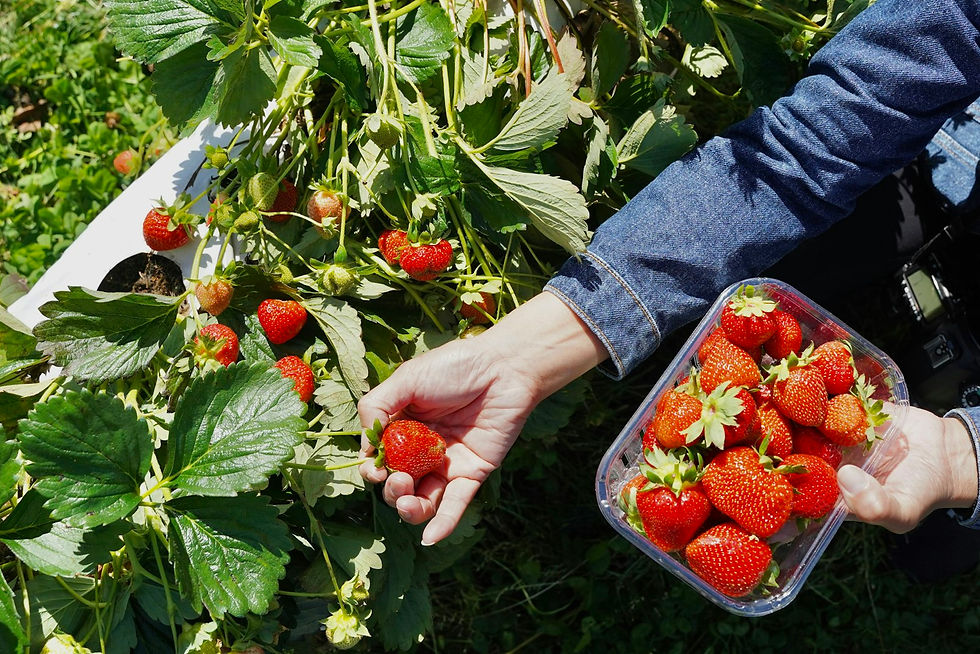
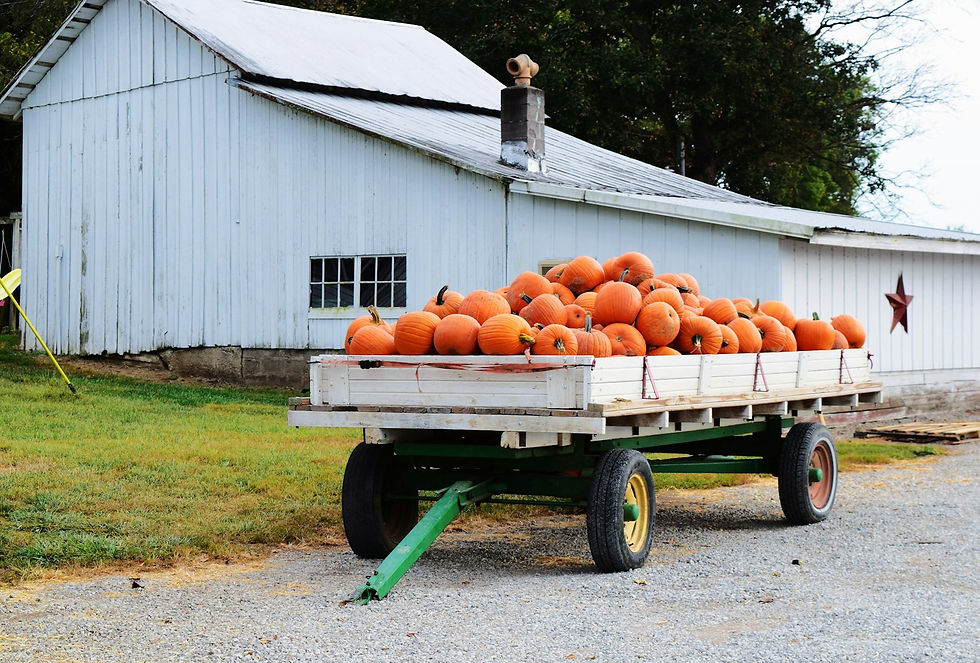
The money was for exactly the things most farmers keep putting off: farm tours, pick-your-own, hayrides, corn mazes, tasting events and marketing campaigns that bring visitors through the gate.
Now here is the part that should make you sit up.
In a 2026 national study of agritourism farms by the University of Vermont and USDA, 7 in 10 farmers picked grants and financial resources as the most helpful kind of support. And 71% said the availability of USDA grants and financial support was a challenge.
The money is real. The problem is that most farmers don't know which door to knock on, what the fine print costs them, or how the winners actually win.
That is what this guide fixes.
What you will learn in this article ✅ The federal, state and private programs that actually fund agritourism in 2026 ✅ Why most USDA grants won't fund a single farm, and the simple workaround ✅ The hidden cost of "free money": matching funds and pay-you-back-later rules ✅ Real farms that won, what they received and what they built ✅ A 6-question test that tells you whether to apply at all ✅ Your 2026–2027 deadline calendar |
The Funding Map: Three Doors, and Most Farmers Knock on Only One
Agritourism money comes from three places. Federal programs, mostly run by USDA. State programs, run by agriculture departments, tourism offices and counties. And private money from nonprofits, lenders, companies and your own customers.

Most farmers search "USDA grants," open a 60-page funding notice, and quit. That is a mistake in two ways. The biggest federal programs are often the hardest for one farm to win. And the fastest, friendliest money is often local.
Why are funders paying attention now? Because agritourism works. The 2022 Census of Agriculture counted 28,617 U.S. farms earning $1.26 billion from agritourism and recreation, up from $949 million in 2017. (See the full breakdown in our agritourism statistics guide.) In New Jersey, agritourism income jumped from $18.6 million to $29.1 million over those same five years. That growth is exactly why the state now puts its own money behind it.
Door 1: Federal Money (USDA)
The Farmers Market Promotion Program: big money, but not for one farm alone
This is the program behind the headline number. In its latest awards, announced March 10, 2026, USDA's Farmers Market Promotion Program (FMPP) gave about $11.1 million to 43 projects in 28 states and territories.
USDA's 2026 funding notice lists "agritourism activities" as a direct producer-to-consumer market, right beside farmers markets, roadside stands and CSAs. Awards run from $50,000 to $500,000, depending on the project type. You must add a 25% match, figured on the federal amount you request, in cash or in-kind.
Here is the catch most articles skip. FMPP will not fund a project that benefits only one producer, and individuals are not eligible applicants. So you cannot use FMPP to build your own corn maze.
The workaround is to team up. Sunnyslope Wine Trail in Huston, Idaho, won a $100,000 FMPP marketing grant in the latest round, putting up $25,015 of its own as the match, to promote "Idaho Wines and Agritourism" in its wine region, including a long-form YouTube feature show. One application. Every member of the trail benefits.
The odds are tight. In 2025, USDA funded about 16.5% of eligible FMPP applications. That is roughly one in six.
The Value-Added Producer Grant: for what visitors buy, not the visit
The Value-Added Producer Grant (VAPG) is open to individual producers, which makes it very attractive. In the 2026 round, planning grants went up to $50,000 and working capital grants up to $200,000, with a 1:1 match. On September 18, 2026, USDA announced $26.5 million for 194 projects.
Read the fine print, though. The word "agritourism" does not appear in the VAPG rules. The grant pays for marketing and working capital for a value-added product, such as the wine, cheese, cider or jam your visitors buy. It cannot pay for buildings or land.
Great Valley Farm Brewery & Winery in Natural Bridge, Virginia, understood this. Its $200,000 VAPG paid for marketing, joining the Shenandoah Valley Wine Trail, and hiring tasting-room staff. Visitors came for the experience. The grant was built around the product.
Two 2026 changes matter. The maximum awards were cut from $75,000 and $250,000. And first-time applicants and requests under $125,000 now earn priority points.
SARE farmer grants: the small, friendly federal door
SARE (Sustainable Agriculture Research and Education) funds farmers who want to test a new idea and share what they learn. Caps for the 2027 cycle range from $15,000 for an individual in the North Central region to $50,000 in the Northeast.
The stories are inspiring. Hickory Nut Gap Farm in North Carolina used a $7,485 SARE grant for a corn maze project that reached about 4,000 people. In Oregon, Scottie Jones of Leaping Lamb Farm used a $28,934 SARE grant in 2010 to build Farm Stay U.S., a national website listing farm stays.

Loans, and the federal programs in flux
USDA's Farm Service Agency offers microloans of up to $50,000. One legal caution: FSA direct loans cannot fund a "non-eligible enterprise," so ask your local office early whether your agritourism plan qualifies.
Watch these changes, too:
REAP energy grants are paused. USDA stopped new REAP grant awards on March 31, 2026. A new rule published October 1 says a project must already be built and running before you apply. Bishop's Orchards in Connecticut, home to a farm store, winery and pick-your-own, used a $224,238 REAP grant for solar that covers about 70% of its energy. Under the new rule, you would pay first and apply after.
The farm bill extension lapsed on September 30, 2026. The House passed its farm bill in April. The Senate Agriculture Committee advanced its version in September. Higher loan limits and a USDA agritourism advisor have been proposed, but none of it is law yet.
Rural Business Development Grants and Specialty Crop Block Grants go to nonprofits, public bodies and states, not directly to most farms.
Federal program | Top award | Your share | Can one farm apply alone? |
USDA FMPP | $50K to $500K | 25% match | No, needs a group |
USDA Value-Added Producer Grant | $200,000 | 1:1 match | Yes, as a producer |
SARE farmer grants | $15K to $50K | Check your region | Yes |
USDA REAP | Set each year | 75% or more of cost | Yes, but grants are paused |
FSA microloan | $50,000 loan | Repaid with interest | Yes |
Field-Tested Play: Speak the Funder's Language Rewrite your project in each program's own words. FMPP wants a "direct producer-to-consumer market." VAPG wants a "value-added product." SARE wants a new idea you will test and share. The same pumpkin patch can become three very different applications. |
Door 2: State Money (Where Small Farms Win More Often)
New Jersey: up to $100,000, straight to farms
New Jersey's Agritourism Grant Program comes from a 2023 state law that created an Agritourism Fund and calls for grants every year. The first round offered up to $100,000 per business with no match required, though showing your own money is recommended.
Farms apply directly. You must carry the required insurance. Costs are reimbursed quarterly. Eligible projects include agricultural education, entertainment, events and marketing campaigns. Permanent structures such as pavilions and restrooms qualify if they are used only for agritourism. Retail-only projects, general operating costs, insurance premiums and land do not.
Applications were scored out of 8 points, with a bonus point for New Jersey products. As of mid-October 2026, a second round has not been announced, so watch the program page. If you farm in New Jersey, also read our guide to New Jersey's Right to Farm protections.
Montana, Tennessee, Virginia and more
Montana offers agritourism grants of up to $50,000. No match is needed up to $10,000. Above that, you match dollar for dollar. In January 2026, 25 recipients shared more than $445,000. Kimmel Ranch received $47,365 for a guest cabin. Greycliff Creek Stables received $8,000 for a ranch u-pick. Live Oak Belgians in St. Ignatius received $49,286 to rebuild an 1800s cabin and a bunkhouse bathroom.
Tennessee's TAEP pays 50% of the cost, up to $12,000, for restrooms, hand-wash stations, parking, educational pavilions, hayride wagons and signs. You must also complete training first, such as two agritourism education events. The 2026 window ran October 1–7, so mark next October now.
Virginia's AFID grants go through your county or town. One recent planning grant helped revive the 'Tween Rivers Trail agritourism brand, and an infrastructure grant put $10,000 toward the Twin Oaks Farm Store project.
Kentucky county councils can fund up to $5,000 a year per producer. North Carolina's AgVentures offers up to $10,000 in 46 counties, opening October 15, 2026. Vermont's Working Lands grants run from $10,000 to $50,000.
Here is one of the best stories of the year. Lauren and Jeffrey Brokish bought Prairie Fruits Farm & Creamery near Champaign, Illinois, in 2024. They won a $200,000 Illinois tourism grant for a visitor and education center and parking. The new building holds a farm store, a classroom and accessible restrooms. Then they ran a Kickstarter campaign that raised $25,765 from 147 backers for coolers, shelving and tables. By March 2026, a new barn housed the farm store and classroom.
The grant and their lender built the walls. Their customers filled the room.
State program | Top award | Match | Who applies |
New Jersey Agritourism Grant | $100,000 | None required | The farm or business |
Montana Agritourism Grants | $50,000 | 1:1 above $10,000 | Residents, businesses, nonprofits |
Tennessee TAEP Agritourism | $12,000 | 50% cost share | Producers, after training |
Virginia AFID Infrastructure | $50,000 | 1:1 from locality | Your county or town |
NC AgVentures | $10,000 | Budget 15% above award | Farmers in 46 counties |
Vermont Working Lands | $10K to $50K | None | Farms and ag businesses |
Field-Tested Play: Make Two Phone Calls This Week Call your state agriculture department's grants office and your county Extension agent. Ask one question: "What funding has gone to agritourism or farm-direct marketing here in the last two years?" The answer shows you where the money flows, and who already knows how to win it. |
Door 3: Private Money (Fast, Small and Often Overlooked)

AFT + Airbnb Farm to Stay. $250,000 in grants of $5,000 to $10,000 for starting agritourism, adding overnight stays, or running tours, workshops and farm dinners. About 350 applications will be accepted, first come, first reviewed, from November 30 to December 4, 2026. Our step-by-step guide to the Farm to Stay grant shows how to get in early.
Farmer Veteran Coalition Fellowship Fund. $1,000 to $5,000, paid straight to vendors for equipment. In 2026 it supported 122 veterans in 43 states.
FACT Fund-a-Farmer. Up to $10,000 for livestock farms improving animal welfare. The next cycle opens November 1, 2026.
Kiva. 0% loans from $1,000 to $15,000, with no fees. You first recruit friends and family as lenders, then the public funds the rest.
Farm Credit. Horizon Farm Credit offered ten $20,000 grants to young, beginning and small farmers in 2026. Compeer Financial offers up to $2,000 for costs such as accounting and legal fees.
Your own customers. When fire destroyed Red Fire Farm's barn and farm store in Massachusetts, its community gave $132,117 on GoFundMe toward a new barn with a farm store, restrooms and visitor parking.
Two things have gone or never fit. The National Young Farmers Coalition's $5,000 Young Farmer Grant ended after 2024. And Farm Aid funds nonprofits, not individual farm businesses.
The Fine Print: What "Free Money" Really Costs You
A farm can win a grant and still end up out of pocket. Here is why.

Matching funds. Many grants pay only part of the cost. A $200,000 VAPG means you bring $200,000 too.
You pay first. Most grants reimburse you after you spend. With VAPG, every grant dollar must be matched by money you have already spent. If your cash runs out in July, the project stalls.
Registration takes weeks. Federal grants require a free SAM.gov registration, renewed every year. Allow four to six weeks, and ignore any website that charges you for it.
You are signing a contract. Every new USDA award now carries USDA's General Terms and Conditions, updated December 31, 2025. Read them before you sign.
New structure, new risk. Before a grant-funded pavilion or cabin opens, tell your insurer. Check what agritourism insurance covers and whether your liability waivers actually protect you.
Land rules. Preserved farmland can carry deed restrictions. In New Jersey, Right to Farm protection covers farm stands, pick-your-own, hayrides and festivals, but not overnight lodging or camping. Check your state's agritourism law and your zoning.
Taxes. Most grants to a for-profit farm count as taxable income. Talk to your tax preparer before you spend a cent.
Field-Tested Play: Build a Grant-Ready Folder Today Put these in one folder: a simple agritourism business plan, two years of farm financials, your insurance certificate, a site map, three good photos, written contractor quotes, support letters and your SAM.gov number. Most applications are 80% this folder. The farmer who has it ready can apply in a weekend. |
Your Odds, and How to Beat Them

Most applications lose. In 2026, FACT funded 75 farms from 1,251 applications. Vermont's Working Lands program funded 38 of 150 the year before.
Reviewers see the same mistakes again and again. UConn Extension lists the big ones: missing deadlines or documents, projects that don't fit the grant's purpose, budgets built on guesses instead of written quotes, no clear source for the match, and asking to be paid back for money already spent.
Before you write a word, run your idea through this test.

7 Lessons Farmers Can Learn From the 2026 Grant Winners
Fit beats need. Funders don't pay for what you need. They pay for what their program was built to do.
Team up when the door says "groups only." Sunnyslope Wine Trail turned a program that won't fund one farm into $100,000 for the whole trail.
Stack small money. Prairie Fruits combined a state grant, Farm Credit support and Kickstarter.
Start local. State and county programs have fewer applicants, and some pay farms directly with no match.
Plan the cash before the project. Reimbursement grants reward farmers who can pay first.
Never bet on one program. In 2026, REAP grants paused, VAPG limits shrank and the farm bill lapsed. Rules change fast.
Prove it with numbers. Hickory Nut Gap reported reaching about 4,000 people. USDA reports Bishop's Orchards saves about $75,000 a year on energy. Numbers win the next grant.
Grants should speed up a plan that already works, not replace one. If you are still deciding whether visitors will pay, read is agritourism profitable? and how much it costs to start first.
Your 2026–2027 Grant Calendar

The Western SARE deadline is October 28, barely two weeks away. The Farm to Stay window is only five days long. If either fits your farm, start this week.
Farming outside the U.S.? The same seven lessons apply to the programs in your own country.
Frequently Asked Questions
Are there grants to start an agritourism business in 2026?
Yes, but most are small or local. New Jersey (up to $100,000), Montana (up to $50,000) and the AFT and Airbnb Farm to Stay program ($5,000 to $10,000) fund new agritourism projects directly. Most large USDA grants fund groups, products or proven projects instead.
Can a single farm apply for USDA's Farmers Market Promotion Program?
Not for a project that benefits only one farm. Individuals can't apply, and even a farm business must design a project that serves more than one producer. That is why farm trails, associations and cooperatives usually apply.
Is the New Jersey agritourism grant open now?
As of mid-October 2026, the first round has closed and a second round has not been announced. The state law calls for grants every year, so check the NJ Department of Agriculture's grants page regularly.
Do I pay tax on a farm grant?
In most cases, yes. Grants to a for-profit farm usually count as taxable income. Ask your tax preparer how to plan for it before you spend the money.
What is the easiest grant for a small farm to win?
Usually a small, local one: a county or state program, a Farm Credit grant or a regional SARE grant. Fewer people apply, and reviewers often know your area.
Your Next Step: Find Out If Your Farm Is Grant-Ready
Those 72 New Jersey winners didn't get lucky. They had a project, a budget and the paperwork ready when the window opened.
Most farmers never get that far, because they don't know which part of their farm is ready for visitors and which part needs work first.
That is exactly why I built the Farm Readiness Quiz. In a few minutes it shows you where your farm is strong and what to fix first, so you never waste a grant, or your own money, on the wrong thing.
Then download my free ebook, the 21-Point Agritourism Blueprint. It walks you through 21 points to check before you welcome paying visitors, from insurance and signage to pricing. Many of them are the same things a grant reviewer will ask about.
P.S. Several deadlines for small farms fall in the next eight weeks. The farmers who win them are getting their folders ready today. Take the free quiz now and find your farm's weak spot before the window opens.
Written by Stephen Loke of AgritourismSuccess.com, whose farm is featured in Bloomberg News and Asahi Shimbun. This article is for education only and is not legal, tax, insurance or financial advice. Programs, amounts and deadlines change often and vary by state and country, so confirm details with the program office, your lawyer, tax preparer or insurance agent. Figures were checked in October 2026. Photos from Unsplash.
Sources
USDA AMS: USDA awards local and regional food grants (March 10, 2026)
USDA AMS: Farmers Market Promotion Program FY2026 funding notice
USDA: Value-Added Producer Grant awards (September 18, 2026)
USDA Rural Development: Great Valley Farm Brewery & Winery success story
USDA Rural Development: REAP grant pause notice (March 31, 2026)
ABA Banking Journal: Senate Ag Committee advances farm bill (September 2026)
NJ Department of Agriculture: $5 million in agritourism grants to 72 businesses (May 19, 2026)
NJ Department of Agriculture: 2026 agritourism grant award breakdown
NJ Department of Agriculture: Agritourism Grant request for proposals
NJ Department of Agriculture: Agritourism Grant FAQ (January 2026)
Montana Department of Commerce: Agritourism grants to 25 recipients (January 2026)
Montana Department of Commerce: FY26 Agritourism Grant guidelines
KPAX: Live Oak Belgians receives agritourism grant (January 2026)
WDBJ7: Fourteen AFID infrastructure grants awarded (August 2026)
WKYT: Kentucky agricultural development funding approved (August 2026)
Vermont Business Magazine: Working Lands grants awarded (March 2026)
Vermont Legislature: Working Lands Enterprise Initiative FY25 impact report
The Daily Illini: Prairie Fruits Farm & Creamery receives $200,000 grant (September 2025)
Kickstarter: Prairie Fruits Farm and Creamery new farm store and classroom
Horizon Farm Credit: Young, Beginning and Small Farmer grants
GoFundMe: Help build the barn, the new heart of Red Fire Farm
University of Vermont and USDA: National Agritourism Report (August 2026)
University of Vermont: Brief Ten, Financial Support for Agritourism (August 2026)
UConn Extension: Grant writing tips for farmers (September 2025)


Comments