Turning Barns into Bed & Breakfasts: The Ultimate Guide to Hosting Farm Stays

Farm stays are becoming increasingly popular as travelers seek unique, peaceful, and nature-filled experiences.
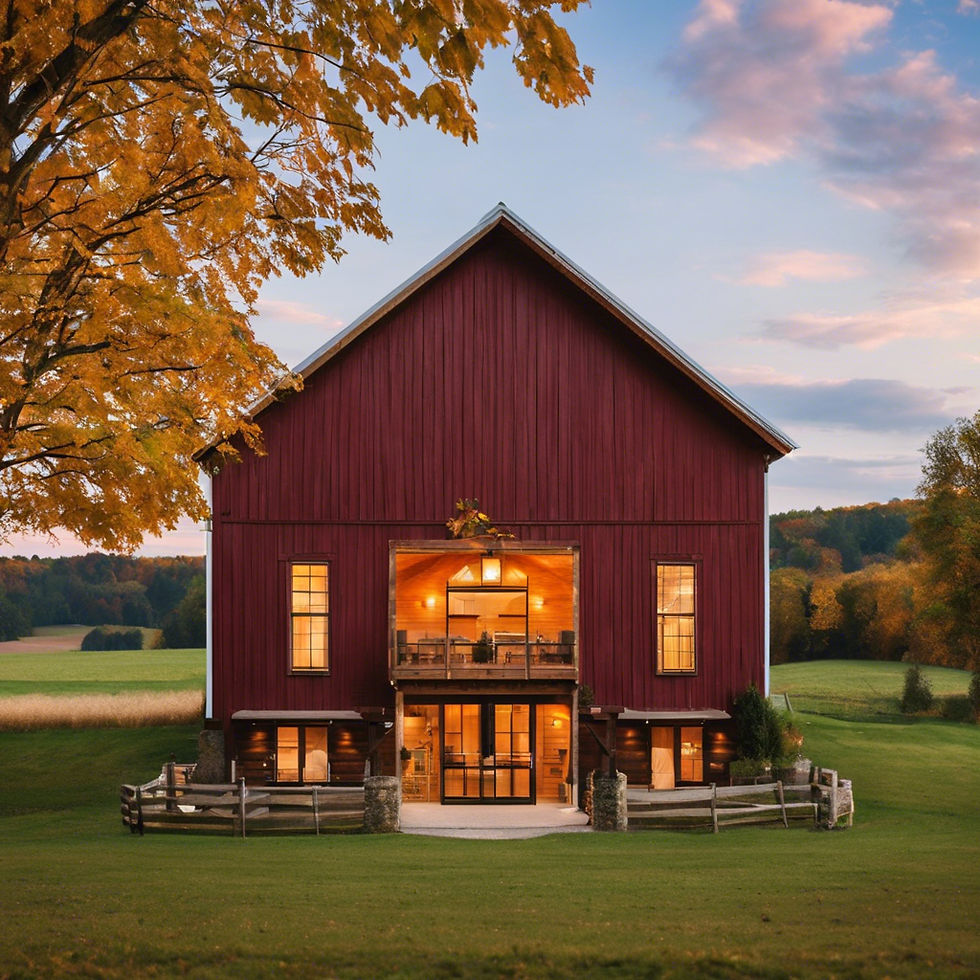
Converting your barn into a charming bed and breakfast (B&B) can be a lucrative way to tap into this growing market while showcasing the beauty and hospitality of rural life.
This guide walks you through the steps to turn your barn into a successful B&B and hosting farm stays.
1. Evaluate Your Barn’s Potential
Before beginning renovations, assess whether your barn is suitable for a B&B:
Structural Integrity: Hire a professional to ensure the foundation, roof, and walls are sound.
Space Layout: Plan how to divide the barn into rooms, dining areas, and shared spaces.
Zoning and Permits: Check local regulations to ensure your barn can legally operate as a B&B.
Tip: A rustic yet functional aesthetic is key—maintain the barn’s charm while making it guest-friendly.
2. Plan the Renovation
Transforming a barn into a cozy B&B requires thoughtful design and practical renovations:
Insulation and Heating: Install proper insulation, heating, and cooling systems for year-round comfort.
Plumbing and Bathrooms: Add modern plumbing and enough bathrooms for guests’ convenience.
Lighting: Use a mix of natural light and warm fixtures to create a welcoming ambiance.
Furniture: Choose sturdy, comfortable furniture that complements the rustic theme.
Example: Use reclaimed wood for headboards and tables to maintain the barn’s authentic feel.
3. Develop a Unique Theme
Your B&B should offer more than just a place to sleep—it should provide a memorable experience. Consider themes that align with your farm’s personality:
Farm-to-Table Experience: Offer meals featuring produce from your farm.
Vintage Charm: Decorate with antique farm tools and vintage decor.
Equestrian Retreat: Cater to horse lovers with trails and equine-themed decor.
Tip: Make your theme consistent across the rooms, dining areas, and outdoor spaces.
4. Create Comfortable Guest Rooms
Your guests will expect comfort and charm. Ensure rooms are well-equipped:
Essentials: High-quality bedding, Wi-Fi, and climate control.
Personal Touches: Fresh flowers, handmade soaps, or a welcome basket with farm-fresh treats.
Privacy: Soundproofing and private entrances can enhance the guest experience.
5. Design Inviting Common Areas
Common spaces encourage interaction and relaxation:
Living Room: Include cozy seating, board games, and books.
Outdoor Spaces: Set up picnic tables, fire pits, or hammocks for guests to enjoy the countryside.
Dining Area: A large communal table fosters a sense of community during meals.
6. Highlight Farm Experiences
One of the main draws of a farm stay is the unique activities. Offer hands-on experiences like:
Animal Feeding: Let guests help feed chickens or milk cows.
Workshops: Teach guests how to make cheese, butter, or jam.
Seasonal Events: Host activities like apple picking, hayrides, or bonfires.
Example: A lavender farm might offer guided tours and lavender oil-making workshops.
7. Focus on Sustainability
Eco-conscious travelers will appreciate a green approach:
Solar Panels: Power your B&B with renewable energy.
Composting: Manage food waste sustainably.
Local Sourcing: Use locally sourced or homegrown ingredients for meals.
Tip: Highlight these efforts in your marketing to attract environmentally conscious guests.
8. Market Your Farm Stay
Promote your B&B to reach potential visitors:
Website: Build a user-friendly website with booking options, photos, and guest testimonials.
Social Media: Share engaging content on Instagram, Facebook, and TikTok.
Online Listings: Register on platforms like Airbnb, Vrbo, or farm-stay-specific directories.
Partnerships: Collaborate with local tourism boards and businesses.
9. Provide Excellent Hospitality
The success of your B&B depends on the guest experience:
Warm Welcome: Greet guests personally and provide a brief tour of the farm.
Local Recommendations: Offer a guidebook with nearby attractions, restaurants, and trails.
Stay Connected: Check in with guests to ensure they have everything they need.
10. Gather Feedback and Improve
Ask for guest feedback to continuously enhance your B&B:
Surveys: Provide a feedback form or email survey after their stay.
Online Reviews: Encourage satisfied guests to leave positive reviews online.
Actionable Changes: Address constructive criticism to improve your offerings.
Walkthrough: Turning Farmer Pete’s Barn into a Bed & Breakfast
Farmer Pete runs a 20-acre farm that specializes in organic vegetables, livestock, and seasonal fruits.
He has a spacious, old barn that he believes could be transformed into a cozy bed and breakfast (B&B) to attract guests seeking a rural getaway.

Pete wants to preserve his farm’s charm while offering guests an authentic, comfortable experience.
Here's a detailed walkthrough of how Pete can convert his barn into a successful farm stay, including the associated costs.
1. Evaluate the Barn’s Potential
Pete’s Assessment:
Pete inspects his barn’s structure and layout. The barn is sturdy but needs some improvements:
Structural Integrity: The barn's foundation and roof are solid, but some walls need reinforcement.
Space Layout: The barn has a large open space that could be divided into guest rooms, a dining area, and a small lounge.
Permits and Zoning: Pete checks with the local zoning office to ensure he can legally operate a B&B. He finds that agricultural properties can host B&Bs with the proper permits.
Costs:
Structural Repairs: $5,000 (contractor fees for reinforcing walls and making minor repairs).
Permits and Zoning Fees: $500 for permits and inspections.
2. Plan the Renovation
Pete’s Renovation Plan:
Pete plans a rustic yet modern renovation that will preserve the barn's charm while offering comfort:
Insulation and Heating: The barn needs insulation for year-round comfort. Pete plans to install energy-efficient heating and cooling systems.
Plumbing: New plumbing is required for guest bathrooms and a small kitchen area.
Lighting and Electrical: The barn’s lighting is dim, so Pete needs to install more energy-efficient lights and outlets.
Furniture: Pete decides to furnish the rooms with rustic, farmhouse-style furniture.
Costs:
Insulation and HVAC: $8,000
Plumbing (bathrooms, kitchen): $7,000
Electrical and Lighting: $3,000
Furniture and Décor: $5,000 (rustic bed frames, tables, chairs, lighting, etc.)
3. Develop a Unique Theme
Pete’s B&B Theme:
Pete wants to create a relaxing and family-friendly experience that highlights his farm’s values. He decides on a “Farm-to-Table Retreat” theme where guests can experience the joys of country life:
Farm Activities: Guests can help with farm chores like feeding animals and picking produce.
Decor: Rustic farmhouse style with vintage farm tools, handmade quilts, and farm-inspired art.
Food: Breakfasts feature fresh eggs, homemade jams, and produce grown on the farm.
Costs:
Décor and Theme Items: $2,000 for vintage décor, quilts, and farm-inspired touches.
Farm-to-Table Food Setup: $1,500 for creating a farm kitchen with equipment for cooking and storing farm-fresh produce.
4. Create Comfortable Guest Rooms
Pete’s Guest Rooms:
Pete designs two cozy rooms, each with:
Comfy Beds: Queen-sized beds with soft linens.
Private Bathrooms: Modern, well-equipped bathrooms with showers.
Personal Touches: Fresh flowers, locally made soaps, and welcome baskets with homemade jams and farm produce.
Costs:
Bedding, Linens, and Towels: $500
Bathroom Fixtures (showers, sinks, etc.): $3,000
Personalized Touches: $300 (flowers, soaps, welcome baskets)

5. Design Inviting Common Areas
Pete’s Common Areas:
Pete creates welcoming spaces for guests to relax:
Living Room: A cozy area with a wood-burning stove, couches, bookshelves with farm-related books, and board games.
Dining Area: A communal dining table where Pete serves hearty breakfasts and evening meals.
Outdoor Spaces: Picnic tables under an old oak tree for guests to enjoy meals outside.
Costs:
Living Room Furniture: $1,500 (sofas, chairs, coffee tables)
Dining Area Setup: $800 (large table and chairs)
Outdoor Furniture: $600 (picnic tables, benches)
6. Highlight Farm Experiences
Pete’s Farm Experiences:
Pete creates engaging, hands-on activities for guests:
Animal Feeding: Guests can help feed chickens, goats, and pigs.
Farm Tours: Guided tours of Pete’s vegetable gardens and fruit orchards.
Cooking Classes: Pete hosts occasional cooking classes where guests can learn how to prepare meals with farm ingredients.
Costs:
Materials for Farm Activities: $500 (supplies for farm tours and cooking classes)
Farm Maintenance: $2,000 annually for animal care, gardening, and upkeep of the tour areas.
7. Focus on Sustainability
Pete’s Sustainable Practices:
Pete integrates eco-friendly features to appeal to environmentally conscious guests:
Solar Panels: Pete installs solar panels to power the barn.
Composting Toilets: Pete adds composting toilets in the guest bathrooms.
Water Conservation: He installs low-flow faucets and encourages guests to reduce water usage.
Costs:
Solar Panel Installation: $10,000 (one-time cost)
Composting Toilets: $1,500 (each guest bathroom)
Water-saving Installations: $500
8. Market the B&B
Pete’s Marketing Plan:
Pete creates a website to showcase his B&B, complete with photos of the barn, rooms, and farm activities. He also creates a social media presence to engage potential guests.
Instagram and Facebook: Pete posts daily updates about farm life, activities, and upcoming events.
Booking Platforms: Pete lists his B&B on Airbnb and local tourism websites.
Costs:
Website Development: $2,000 (design and hosting)
Social Media Ads: $300 monthly
Listing Fees on Booking Platforms: $200 annually
9. Provide Excellent Hospitality
Pete’s Guest Experience:
Pete welcomes guests personally and offers them a guided tour of the farm. He checks in during their stay to ensure everything is perfect and provides local recommendations.
Local Experiences: He provides brochures of nearby hiking trails, farm markets, and local wineries.
Evening Farm-to-Table Dinners: Pete occasionally offers home-cooked meals made from his farm’s produce.
Costs:
Food for Farm-to-Table Dinners: $1,000 annually (based on seasonal produce)
Hospitality Training: $500 (for customer service courses)
10. Gather Feedback and Improve
Pete’s Feedback System:
After every guest’s stay, Pete sends a feedback form and encourages them to leave reviews online. He uses constructive feedback to improve the guest experience, like adding more activities or improving room comfort.
Costs:
Survey Tools: $200 annually (for online survey tools like SurveyMonkey)
Total Estimated Costs:
Renovation & Structural: $28,800
Furnishings & Decor: $9,500
Sustainable Features: $11,500
Marketing & Online Presence: $2,500
Ongoing Maintenance & Activities: $4,800
Total Initial Investment: $56,100
The Result
After completing the renovations and launching the B&B, Pete finds that guests love the farm experience.
His bookings increase steadily, and within a year, he’s covering his initial investment. Pete also starts to host special events like harvest dinners and educational workshops, making his farm a sought-after destination.
By turning his barn into a B&B, Pete has successfully diversified his farm income while offering a unique, immersive experience that keeps visitors coming back year after year.
Conclusion: Turning Barns into Bed & Breakfasts: The Ultimate Guide to Hosting Farm Stays
Turning your barn into a bed and breakfast is a rewarding way to diversify your income, share the beauty of farm life, and create memorable experiences for guests. With careful planning, creativity, and attention to detail, your B&B can become a thriving agritourism destination.


Comments