Best Agritourism Activities That Tourists Love

1. Introduction
The Rising Demand for Authentic Experiences
In an increasingly digital and fast-paced world, travelers are trading screen time for green time. There is a booming demand for authentic, hands-on, and offline experiences, leading to the rapid rise of the experience economy.
Modern tourists want to know exactly where their food comes from and are actively seeking meaningful, tangible connections with nature that simply cannot be replicated online or in a city setting.
Defining Agritourism
At its core, agritourism is the intersection of agriculture and tourism. It invites the public onto working farms, ranches, and agricultural operations to participate in or observe the daily rhythms of farm life. Instead of just buying produce at a grocery store, visitors get to step directly into the fields where those ingredients were grown, cared for, and harvested.
The Future of Travel
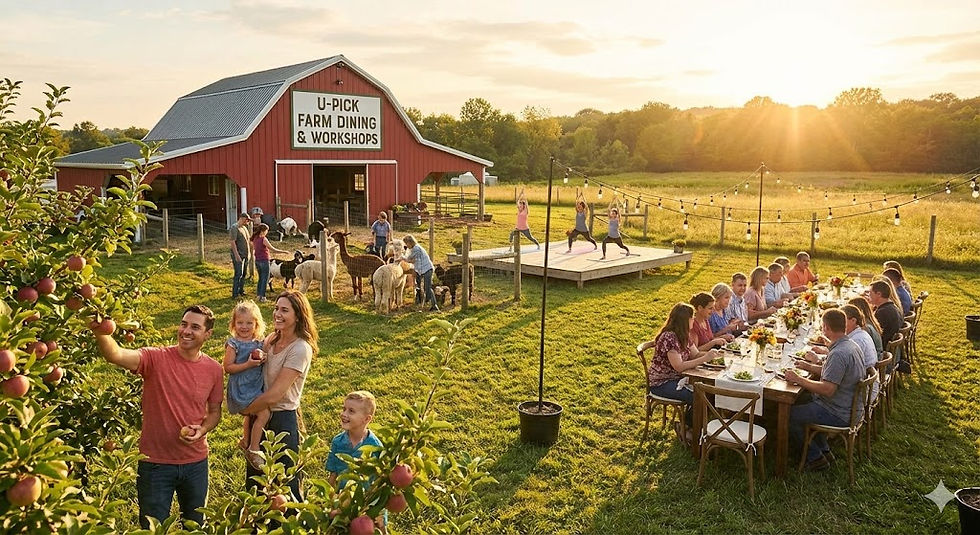
From hands-on harvesting and tasting local fruits right off the branch to luxury wellness retreats in rural settings, agritourism offers a diverse range of immersive activities.
These experiences reconnect travelers with natural ecosystems, strengthen local food systems, and help preserve agricultural heritage, making it one of the most fulfilling ways to travel today.
2. Hands-On Harvesting: The U-Pick Experience
The Appeal of Harvesting Your Own Food
There is a simple, primal satisfaction in gathering your own food straight from the source. The U-Pick model remains one of the most popular agritourism activities globally because it is inherently family-friendly and highly engaging.
It transforms the routine chore of shopping for produce into a memorable adventure, allowing visitors of all ages to appreciate the labor and time that goes into food production.
Popular Harvesting Activities
Depending on the season and the regional climate, tourists flock to farms for a variety of fresh harvesting experiences. Some of the most sought-after activities include:
Picking seasonal berries, such as strawberries, blackberries, and blueberries, during the warm summer months.
Gathering apples from heritage orchards and searching for the perfect pumpkin during autumn harvest festivals.
Cutting seasonal wildflowers, lavender, or even Christmas trees to take a piece of the farm home.
Harvesting exotic or tropical fruits, which offers a unique and highly localized educational experience for international visitors.

Real-World Examples of U-Pick and Harvest Farms
Farms around the world are elevating the harvest experience by turning a simple picking session into a robust, full-day tourist attraction. Here are a few excellent examples:
Southern Hill Farms: Located in Florida, this family-owned estate is famous for its seasonal U-Pick events featuring blueberries, strawberries, and peaches. They enhance the tourist experience by offering a farm market, scenic photo opportunities, and picturesque fields of sunflowers. View Google Profile
Underwood Family Farms: A staple in Southern California, this farm draws massive crowds for its pick-your-own produce, ranging from leafy greens to blackberries and pumpkins. They combine the harvest experience with tractor rides, animal encounters, and large seasonal festivals. View Google Profile
BloopyDurians: Situated in Bentong, Pahang, Malaysia, this agritourism destination offers an immersive tropical harvest experience. Tourists take an adventurous 4x4 ride deep into the farm to learn about cultivation, pick seasonal fruits like mangosteens, and eat fresh durians directly near the trees. Guess what, this is my farm. Bloopydurians belongs to yours truly. View Google Profile
3. Farm-to-Table Culinary Immersion
The Journey from Field to Fork
Culinary immersion is a cornerstone of modern agritourism, catering directly to the growing demographic of food-conscious eco-travelers. Visitors are no longer satisfied with just eating a good meal; they want to understand the story behind their food.
This segment of the experience economy highlights the journey from "field to fork," allowing guests to taste the terroir of a region while sitting just feet away from where the ingredients were grown.
Popular Culinary Activities
Farm-to-table experiences can range from casual, rustic lunches to high-end, multi-course dining events. Popular activities that tourists love include:
Chef-led, multi-course dinners hosted outdoors in fields, heritage orchards, or restored historic barns.
Ingredient-foraging walks followed by hands-on cooking classes, where visitors learn traditional preparation methods.
Vineyard, brewery, and cider tours that include extensive tastings paired with farm-made cheeses and artisanal breads.
Corporate retreats where farms provide hyper-local catering for large organizations, such as telecommunications companies, featuring fresh regional fruits and highly personalized touches like custom engraved coconuts.
Educational tasting tours highlighting specific regional crops, such as walking visitors through the full growing cycle of the local pineapple industry before serving the freshly harvested fruit.

Real-World Examples of Culinary Agritourism
Farms that excel in this category often partner with acclaimed chefs to create unforgettable dining experiences. Here are a few notable examples:
Stone Barns Center for Food & Agriculture: Located in New York, this non-profit farm and educational center is a pioneer in sustainable agriculture. It is closely affiliated with the world-renowned restaurant Blue Hill, offering visitors an unparalleled, high-end farm-to-table dining experience rooted in ecological farming practices. View Google Profile
Blackberry Farm: Situated in the Great Smoky Mountains of Tennessee, this luxury resort and working farm is famous for its "Foothills Cuisine." Guests can participate in farm tours, gardening sessions, and cooking demonstrations before enjoying meals crafted entirely from the property's daily harvest. View Google Profile
4. Animal Interactions & Livestock Experiences
The Therapeutic Power of Farm Animals
Interacting with livestock offers a tangible, often therapeutic connection to rural life that is highly engaging for families, children, and animal lovers. For many urban tourists, an agritourism farm provides their first opportunity to see agricultural animals up close.
Modern farms are moving beyond simple observation, offering immersive encounters that educate visitors about humane animal husbandry, breed history, and the daily responsibilities of farm life.
Popular Livestock Activities
Animal-focused agritourism spans a wide range of interactive and educational experiences. The most popular include:
Up-close encounters in pastures or petting zoos featuring docile, friendly animals like dwarf goats, sheep, and miniature ponies.
Hands-on participation in daily farm chores, such as collecting fresh eggs from the coop, bottle-feeding baby livestock, or learning how to milk a cow.
Specialty and exotic encounters, like brushing long-haired Highland cattle, taking guided walks with alpacas, or shearing sheep during the spring.
Real-World Examples of Animal-Focused Farms
These farms have successfully turned their daily livestock management into highly educational and engaging tourist attractions:
Leaping Lamb Farm: Located in Oregon, this farm offers immersive farm stays where guests are encouraged to join in on the daily chores. Visitors can help feed the sheep, collect eggs, and interact directly with the farm's horses and resident peacock, making it a highly authentic agricultural experience. View Google Profile
UK Farm Agro Resort: Situated in Kluang, Johor, Malaysia, this is one of the country's largest sheep and goat farms. It offers a comprehensive agritourism experience where tourists can tour the vast grazing lands, visit the goat milk processing center, bottle-feed baby goats, and watch sheepdog herding demonstrations. View Google Profile
Billings Farm & Museum: A working Jersey dairy farm in Vermont that doubles as an outdoor museum. It invites the public to meet the dairy cows, draft horses, and sheep, while offering daily interactive programs that teach visitors about 19th-century rural life and modern dairy operations. View Google Profile
5. Wellness & Luxury Agritourism
The Intersection of Rustic Charm and Premium Relaxation
For a long time, visiting a farm was associated strictly with mud, early mornings, and hard labor. Today, wellness and luxury agritourism have completely shifted that narrative, proving that sustainability and high-end comfort can coexist beautifully.
This category appeals to travelers looking to unplug, de-stress, and rejuvenate in a peaceful, natural environment without sacrificing premium amenities.
Popular Wellness and Luxury Activities
Farms are increasingly incorporating holistic health and wellness practices into their landscapes. Activities that draw luxury-seeking tourists include:
Animal-assisted therapy and fitness, such as guided meditation sessions in open, scenic pastures.
Holistic wellness workshops, including sound baths in renovated historic barns or outdoor herbal medicine crafting.
High-end farm stays, ranging from luxury glamping in canvas tents to booking fully restored historic farmhouses.
Premium on-farm spa amenities, such as infrared saunas, outdoor cold plunges, and treatments utilizing farm-grown botanicals and essential oils.
Real-World Examples of Luxury Wellness Farms
These destinations have mastered the art of blending agricultural life with five-star hospitality:
Los Poblanos Historic Inn & Organic Farm: Set among 25 acres of lavender fields in New Mexico, this organic farm offers luxury accommodations and a renowned botanical spa. Guests can participate in lavender harvesting or simply relax while enjoying spa treatments crafted from the farm’s essential oils. View Google Profile
Babylonstoren: A historic Cape Dutch farm in South Africa that boasts a luxury hotel, an expansive botanical garden, and a premium spa. Visitors can take guided garden tours to learn about indigenous plants before retreating to the spa, which uses farm-fresh ingredients in its treatments. View Google Profile
6. Immersive Education & "Farms as Classrooms"
Learning Tangible, Traditional Skills
Modern tourists love experiences that allow them to return home with new, practical knowledge. Immersive educational agritourism turns farms into interactive classrooms, teaching traditional skills that many urban and suburban dwellers have lost touch with.
This hands-on learning fosters a deeper appreciation for the complexities of agriculture and empowers visitors to incorporate sustainable practices into their own lives.
Popular Educational Activities
Educational agritourism goes far beyond simple farm tours. It involves deep dives into specific crafts and agricultural sciences, such as:
Beekeeping workshops, where visitors wear protective suits, learn about hive hierarchy, and participate in honey-extraction demonstrations.
Hands-on culinary processing classes, teaching traditional preservation methods like cheesemaking, fruit canning, flower drying, and sourdough bread baking.
Technological farm tours, utilizing drones to give visitors a breathtaking aerial view of vast crop layouts.
Tours of advanced, modern growing systems, showcasing vertical farming, hydroponics, or controlled atmosphere storage techniques used in global export.

Real-World Examples of Educational Farms
These farms prioritize education, ensuring that every visitor leaves with a greater understanding of food systems:
Kualoa Ranch: While famous for its Hollywood movie tours, this massive Hawaiian nature reserve is also a highly active agricultural operation. They offer dedicated "Aloha Aina" tours that educate visitors on traditional Hawaiian aquaculture, tropical fruit cultivation, and sustainable farming practices. View Google Profile
Polyface Farm: Located in Virginia, this farm is globally recognized for its pioneering work in regenerative agriculture. They offer intensive, educational farm tours that explain their unique pasture-based systems, drawing visitors who want to learn exactly how ecological farming works from the ground up. View Google Profile
7. Conclusion On Best Agritourism Activities
The Lasting Impact of Agritourism
Whether it is the simple joy of plucking a ripe berry off a summer bush, sitting down to a chef-prepared meal in an orchard, finding peace in a pasture, or learning the delicate art of beekeeping, agritourism offers something deeply resonant for every type of traveler. It fulfills the modern tourist's craving for authenticity, connection, and experiential learning.
Supporting the Bigger Picture
Beyond just entertaining visitors, agritourism serves a vital, larger purpose. By opening their gates to the public, farmers and agricultural entrepreneurs can diversify their income streams, ensuring the financial survival of their operations.
In turn, tourists' dollars go directly toward supporting rural economies, preserving agricultural heritage, and promoting sustainable, ecologically sound land use.
Plan Your Next Adventure
The next time you are planning a vacation or looking for a weekend getaway, consider looking beyond traditional resorts and crowded cities. Search for a local U-Pick farm, book a stay at a rural agritourism bed and breakfast, or sign up for a farm-to-table dinner.
By choosing to travel closer to the land, you will not only create unforgettable memories but also play a direct role in supporting the future of farming.


Comments