



How to Encourage Visitors to Your Farm: 21 Ways That Work (With Costs)

Updated: Oct 4
Updated October 2026
Picture this. It's Saturday morning. Your farm looks beautiful. The fruit is ripe, the grass is cut and you're ready for guests. Then the hours tick by, and the driveway stays empty.
If that sounds familiar, this guide is for you. Below are 21 practical ways to encourage visitors to your farm, and next to each one I've put a realistic cost, so you know exactly what you're getting into before you spend a cent.
Here's why you should listen to me. I run a small durian farm in my hometown of Bentong, in Pahang, Malaysia. It isn't a big farm. It has no rides and no fancy visitor center. Yet visitors have come from New York, Hong Kong, Canada, Australia, Macau, China, Japan, Russia and many other places to walk under my durian trees. My farm has been featured in Bloomberg News and Asahi Shimbun. Everything in this article is something I've tested on my own land or seen work on other farms.
The good news? Nine of these 21 ways can start at $0. You don't need a $100,000 loan to fill your farm with happy visitors. You need the right moves, in the right order.
I've grouped them into four stages, the same order visitors experience your farm. First they find you. Then they trust you. Then they enjoy you. And finally, they bring others.
Why Farm Visitors Are Worth Chasing: The Numbers
Agritourism is not a passing fad. According to the USDA Economic Research Service, U.S. farms and ranches earned $1.26 billion from agritourism and recreational services in 2022, up 12.4% from 2017 even after adjusting for inflation. And 57% of U.S. counties reported agritourism income.
The 2022 Census of Agriculture counted about 28,600 farms earning this income, at an average of roughly $44,000 per farm. In 2007, that average was about $24,000 (not adjusted for inflation).

USDA researchers also found that farms near larger populations, farms close to natural attractions, and farms growing grapes, fruit and tree nuts or raising specialty livestock tend to earn the most from agritourism. In plain words: the farms that win are the ones that are easy to find, pleasant to visit and fun to experience. That's exactly what the 21 ways below are designed to do.
The 21 Ways at a Glance (With Costs)
Costs are typical U.S. dollar ranges in 2026. Prices where you live may be lower or higher, so treat them as a starting point and get local quotes.
Way | Typical cost (USD) |
1. Claim your Google Business Profile | Free |
2. Ask every happy visitor for a review | Free to $20 |
3. Put up clear road signs | $50 to $300 per sign |
4. Simple website with online booking | $15 to $40 a month |
5. Share real farm moments on social media | Free |
6. Keep the farm clean and the grass short | Free to $300 a month |
7. Clean toilets and handwashing | $100 to $300 a month (rental) |
8. Shade, seating and drinking water | $150 to $500 per picnic table |
9. A 5-star welcome | Free |
10. Visible safety and insurance | Varies; get a quote |
11. Hands-on farm activity | Free to $50 |
12. Storytelling farm walk | Free |
13. Shareable photo spots | $20 to $500 |
14. Pick-your-own or harvest experience | $50 to $200 |
15. Kids' corner and gentle animal time | $200 to $2,000 |
16. Plant a tree or leave a mark | $5 to $30 per tree |
17. Souvenirs to take home | $1 to $5 per item |
18. Seasonal events | $100 to $1,000 per event |
19. Hotel and tour operator partners | Free (10% to 30% commission) |
20. School trips and group visits | Free to $300 |
21. Farm stay (tent or cabin) | $2,000 to $5,000 per tent; $15,000+ per cabin |
Stage 1: Help Visitors Find Your Farm
Visitors can't fall in love with a farm they've never heard of. These five ways put your farm in front of people who are already looking for a day out.
1. Claim Your Free Google Business Profile
Cost: Free.
When someone types "farm near me" or "things to do this weekend," Google Maps decides who they see. If your farm isn't listed, you don't exist to that person. Claim your profile, add your opening hours and prices, upload at least 20 real photos of visitors enjoying your farm, and pick categories that describe what people can do there, not just what you grow.
This is the highest-return task on this whole list. I walk through it step by step in my guide to getting your farm found on Google Maps.
2. Turn Every Happy Visitor Into a 5-Star Review
Cost: Free to about $20 for printed QR-code cards.
Before most people visit a farm for the first time, they read what other visitors said about it. So ask for the review at the moment your guests are happiest: right after they taste the fruit, hold the duckling or plant their tree. Hand them a small card with a QR code that opens your review page. Then reply to every review, good or bad, within a day or two.
Reviews also feed word of mouth, which a recent Oregon State University survey of farm visitors found works better than social media and online search. I break down that study in this article on the cheapest marketing tool in agritourism. You can also see how reviews turn small farms into tourist destinations.
3. Put Up Road Signs People Can't Miss
Cost: $50 to $300 per sign.
Many farms lose visitors in the last mile. The GPS sends guests to the wrong gate, the turn-off is hidden behind trees, and they give up and go home. Put a clear sign at every turn from the main road, plus a welcoming sign at your entrance. Use big letters and few words: your farm name, an arrow and your opening days.
Check your local council or highway authority's rules before you put signs on a public road.
4. Give People a Simple Website Where They Can Book
Cost: roughly $15 to $40 a month for a website builder with online booking.
Your website has one job: turn a curious browser into a booked visitor. It needs your opening times, your prices, what visitors can do, how to get there, photos of real guests having fun, and a big "Book Now" button. That's it. Skip the long history page until the bookings are coming in. Here's my simple website setup for agritourism farms.
5. Share Real Farm Moments on Social Media
Cost: Free (about 15 to 30 minutes a day).
Forget the perfect, filtered feed. People want to see what really happens on your farm: the first fruit of the season, a calf born at dawn, a child's face when they taste something straight from the tree. Post short videos. Show visitors having fun (with their permission). And always finish by telling people when they can come and how to book. Here's what actually works on Instagram for agritourism.
Stage 2: Make Visitors Feel Safe and Welcome
Once people find you, a simple question pops into their mind: "Will this be a nice place to bring my family?" These five ways answer that question with a confident yes.
6. Keep the Farm Clean and the Grass Short
Cost: Free to about $300 a month in extra labor.
Your farm is a natural attraction, and that's a built-in advantage. But tourists are tourists. They notice animal waste, bad smells, overflowing bins and grass so tall it feels like a jungle. Picture a visitor stepping over chicken droppings on the way to your fruit trees. That's not a memory you want them taking home.

On my farm, I always ask my workers to keep the grass short, even around the roots of the durian trees. It looks neat, and it keeps snakes and other unwanted animals away. Visitors can walk freely between the trees without wondering what's hiding at their feet. And before each new group arrives, we clear every bit of rubbish the last group left behind.

7. Provide Clean Toilets and Handwashing
Cost: about $100 to $300 a month to rent a serviced portable toilet in the U.S., plus roughly $75 to $150 a month for a handwashing station.
Nothing ends a family day out faster than "Mom, I need the toilet" with nowhere to go. A clean toilet that doesn't smell of ammonia is one of the cheapest ways to keep families on your farm longer. Handwashing is a must if guests touch animals or eat fresh fruit. If you build your own facilities, keep them spotless and check them every hour on busy days.
This isn't just about comfort. The CDC advises everyone to wash their hands with soap and running water right after touching animals, and treats hand sanitizer only as a backup when soap and water aren't available. National public health guidelines for animal exhibits, the NASPHV Compendium, also call for handwashing stations that children and people with disabilities can easily reach.
8. Add Shade, Seating and Drinking Water
Cost: about $150 to $500 per picnic table, plus a few umbrellas or a shade sail.
Hot, tired visitors leave early. Comfortable visitors stay, buy a drink, buy fruit and then buy a second round. Put seating under your biggest tree, offer free drinking water and give parents somewhere to sit while the children play. The longer people stay, the more they spend.
9. Give Every Guest a 5-Star Welcome
Cost: Free.
This one costs nothing and beats almost everything else on this list. Smile when guests arrive. Learn their names and ask where they're from. Show them around with real enthusiasm, even when you're tired. Talk to them like close friends, not customers, and never brush anyone off.
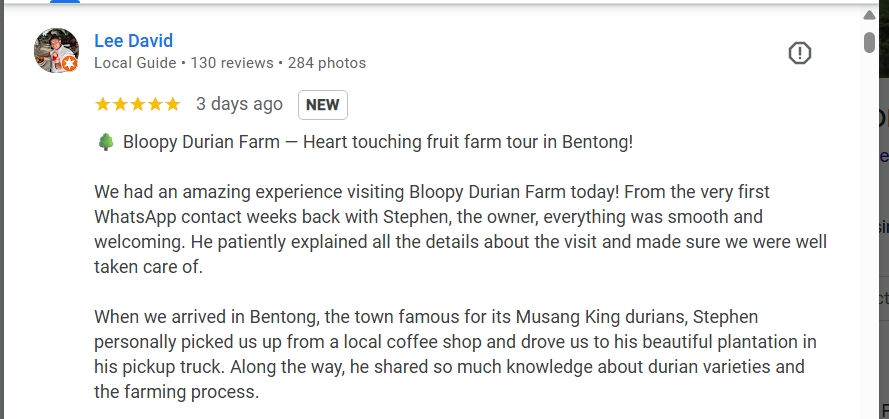
Train your staff to do the same by doing it yourself first. My workers know how much I value good service, and guests often tell me how friendly they are. One visitor wrote in his Google review that his time on our farm touched his heart. A review like that brings in the next ten visitors.
10. Make Safety Visible
Cost: varies. In the U.S., small farms often pay roughly $1,500 to $3,500 a year for farm liability cover, and adding agritourism activities can cost extra. Ask your insurance agent for a quote before you open your gates.
Parents relax when they can see you've thought about safety: fenced animal areas, handwashing signs, a first-aid kit, clear "staff only" zones and paths without trip hazards. Safety doesn't just protect you. It's a visible signal that tells every visitor, "You're in good hands." My guide to legal and safety basics covers what to check.
The law can work in your favor too. About 40 U.S. states now have some type of agritourism statute, according to the National Agricultural Law Center. Many of these laws limit an operator's liability for the inherent risks of farm activities, often on the condition that you post specific warning signs. The details differ from state to state, so check your own state's law and talk to your insurance agent.
Stage 3: Give Visitors a Reason to Come (and Come Back)
Here's the hard truth. People don't drive an hour to look at trees. They drive an hour for an experience they can't get anywhere else. These eight ways turn your farm into that experience.
11. Let Visitors Get Their Hands Dirty
Cost: Free to about $50 for extra gloves, tools and aprons.
Normally my workers open the durians for guests. But I often let visitors open the fruit themselves, with a little guidance. Opening a durian isn't easy. They struggle, their family laughs and everyone films it. Those videos become the story they tell for years.

Don't be afraid to give visitors a few minutes of real farm work: trimming a branch, feeding the chickens, spreading compost or collecting eggs. To you it's a chore. To a city family, it's an adventure.
12. Tell Your Farm's Story on a Guided Walk
Cost: Free.
People love stories. That's why movies and books sell so well. When my guests arrive, I tell them how my dad planted the durian, mangosteen and other fruit trees they're walking under. They feel the love and passion of a man who simply loved farming and nature. Suddenly, they're not just visiting a farm. They're part of its story.

Try something like this: "My grandfather planted this tree fifty years ago. My dad played under it as a boy. Today, our visitors eat their lunch in its shade." Keep the walk tight and lively. Here's how long your farm tour should be for the best balance of enjoyment and profit.
13. Build Photo Spots That Get Shared
Cost: about $20 to $500 for a sign, a swing, a flower arch or a row of sunflowers.
Every photo a visitor posts is a free advert for your farm. So give them something worth photographing: a swing under a big tree, a flower bed, a giant model of your fruit, a pond or a branch heavy with fruit. Put a small "best photo spot" sign at each one, and think like a visitor: where would you want to take a selfie?

We made a simple "Bloopy Durians" sign that visitors hold up with the farm behind them. And for some reason, guests love climbing onto my four-wheel drive for photos. Tractors, wagons and old farm trucks work the same magic. You can even print and frame a photo of each family and sell it for $15 to $25.

14. Offer Pick-Your-Own or Harvest Experiences
Cost: about $50 to $200 for baskets, a weighing scale and signs.
Picking fruit straight from the plant is one of the most loved farm experiences in the world. It also turns visitors into customers: they pay for what they pick, and they almost always pick more than they planned. Charge an entry fee plus a price per pound, or include a basket in the ticket. Only open the rows that are ready, and show guests how to pick without damaging the plants.
15. Create a Kids' Corner and Gentle Animal Time
Cost: about $200 to $2,000, depending on what you build and which animals you already have.
Win the children and you win the whole family. A dirt-digging area, a few hay bales to climb, a chalkboard and a chance to hold a duckling can keep kids busy for hours. On my farm, holding young ducks is always a hit. Keep animal areas fenced, supervised and close to handwashing. Here's how to turn simple land into a kid magnet that parents happily pay for.
One safety rule worth knowing: the CDC says children under 5 shouldn't touch reptiles, amphibians or poultry, and that includes ducklings and chicks, because these animals are more likely to make young children sick. Let little ones watch and feed from a safe distance, and save the holding for older kids.
16. Let Visitors Leave Their Mark
Cost: about $5 to $30 per tree, which you can easily build into a premium ticket.
I never planned this, but letting visitors plant a durian tree has become one of the biggest highlights on my farm. We tie a tag on the tree with their name and the date. Putting a young tree into the ground and covering its roots with soil feels a little like welcoming a new child into the world. Guests take photos, and years later they want to know how "their" tree is growing. That's a reason to come back.

Can't plant trees on your farm? Try love locks on a fence, names signed on a brick wall, painted stones, a message in a bottle to open on their next visit, a "where are you from" board, or an adopt-a-farm-animal program with photo updates.
17. Send Them Home With Something
Cost: about $1 to $5 per item for fridge magnets or small jars, which you can sell for $5 to $25.
A souvenir keeps your farm on their fridge, on their shelf and in their mind for years. Sell fruit jam, herbal soap, honey, dried fruit, framed photos or magnets printed with pictures of your farm. Some visitors won't pay extra, so consider building a small gift into your ticket price. You can also send each family a short video of their visit afterward, made in a free tool like Canva.

18. Run Seasonal Events
Cost: about $100 to $1,000 per event for extra staff, decorations and promotion.
Events give people a deadline, and deadlines make people act. A harvest festival, a season opening day, a sunflower week, a family picnic day or a "taste the first fruit" weekend creates urgency that "open every weekend" never will. Announce the date four to six weeks ahead, sell tickets in advance and cap the numbers so it feels special. Durian season is the busiest time on my farm for exactly this reason.
Stage 4: Bring Visitors in Groups
One family at a time is good. A bus full of guests is better. These last three ways multiply your visitor numbers without multiplying your marketing work.
19. Partner With Hotels, Resorts and Tour Operators
Cost: Free, though partners usually take a commission (often 10% to 30%).
Hotels and tour companies have something you don't: a steady stream of guests asking, "What can we do around here?" Offer them a ready-made half-day package with a clear price, set times and a commission. Don't just leave flyers at the front desk. Build a real business partnership. I explain exactly how in how your farm can partner with hotels, resorts and tour companies.
20. Host School Trips and Group Visits
Cost: Free to about $300 for activity materials, worksheets and extra seating.
Schools, kindergartens, clubs, churches and companies book in groups, often on weekdays when your farm would otherwise be quiet. One school trip can bring 40 children, and many of them come back on the weekend with their parents. Design a short, hands-on program linked to what children learn in class. Here are the exact farm experiences schools happily pay for, even on a small farm.
The demand is real. In the USDA's 2023 Farm to School Census, 74% of school food authorities took part in farm-to-school activities, and about a quarter of them took students on field trips to farms, farmers' markets or producers. That share was 31% before the pandemic, so there's room for farm field trips to grow back, and a well-prepared farm can be first in line.
21. Add a Farm Stay
Cost: roughly $2,000 to $5,000 per tent site (bell tent, wooden platform and furnishings), or $15,000 and up for a small cabin.
If your farm is far from town, an overnight stay turns a long drive into a reason to visit. Guests who sleep on your farm also eat breakfast, join your tours and buy your produce. Start with one tent or one cabin, prove the demand, then grow. Follow my step-by-step guide to starting a farm stay. Farmers in the U.S. should also read about Airbnb's Farm to Stay grant, which offers up to $10,000 to start or expand a farm stay.
Bonus: 5 More Ways to Spread the Word
The 21 ways above make your farm worth visiting. These five extras help more people hear about it, and most of them cost little more than your time.
Get Featured in Local Media and Tourism Guides
Cost: Free.
Local newspapers, radio stations and TV programs need fresh local stories, and a family farm opening its gates is a good one. A few weeks before your season opens or before a big event, email a local editor with two or three good photos and one interesting angle, like the first harvest of the year or a family planting their own tree. Then contact your local or regional tourism office and ask to be listed in its guides, website and visitor center. Many tourism offices are keen to promote new local experiences.
Invite Local Creators for a Free Visit
Cost: Free, apart from the visit you give away.
Find two or three local food, family or travel creators whose followers live within driving distance of your farm. Invite them on a day when the farm looks its best, give them the full experience and let them share it in their own words. A creator with 5,000 local followers who love days out is worth more to you than one with 500,000 followers in another country. In the U.S. and many other countries, creators must say when a visit was free, so ask them to mention it.
Set Up a Stall at Farmers' Markets and Local Fairs
Cost: a stall fee, which varies by market, plus your produce.
A market stall puts your farm in front of local people who already care where their food comes from. Sell your fresh produce, give every buyer a small card with your opening days and a QR code to book a visit, and tell them what they can do on the farm. Someone who loves your fruit at the market is halfway to visiting the farm where it grows.
Keep Past Visitors on an Email or WhatsApp List
Cost: Free to start with most email tools.
Your past visitors are your easiest future visitors. Ask every guest if they'd like to hear about the next harvest or event, and collect their email address or phone number at the gate or in your booking form. Then send a short, friendly message before each new season or event. It's one of the cheapest ways to fill a quiet weekend. Here's how to create effective email marketing for agritourism.
Host Workshops and Farm-to-Table Meals
Cost: mainly materials and ingredients, which you build into the ticket price.
Some people won't drive out just to look around, but they will come to learn a skill or share a special meal. Teach a jam-making, seed-planting or composting class, or team up with a local chef for a long-table dinner made from your harvest. These events bring in a different crowd from your weekend families, and they're easier to price at a premium because guests leave with a new skill, a jar they made themselves or a meal they'll talk about for months. If jam is on your list, here's how to sell preserves, jams and jellies on your farm.
Where to Start: Your First 30 Days
Don't try all 21 at once. Here's the order I'd follow, based on your budget.

If you have $0: Claim your Google Business Profile (No. 1), tidy the farm (No. 6), plan one hands-on activity (No. 11), practice your farm story (No. 12) and ask every guest for a review (No. 2).
If you have about $500: Add road signs (No. 3), one or two photo spots (No. 13), shade and seating (No. 8) and a simple souvenir (No. 17).
If you have $5,000 or more: Sort out toilets and safety first (No. 7 and No. 10), then add a kids' corner (No. 15), run your first seasonal event (No. 18) and test a single farm-stay tent (No. 21).
Whatever your budget, approach partners (No. 19) and schools (No. 20) once your basic experience runs smoothly. They'll ask what visitors actually do on your farm, and you want a confident answer.
Frequently Asked Questions
How can I attract visitors to my farm with no money?
Start with the free ways: a Google Business Profile, real photos and short videos on social media, a clean and tidy farm, a hands-on activity, a good farm story and the habit of asking every happy guest for a review. These cost time, not money, and they build the word of mouth that brings your next visitors.
What attracts tourists to a farm?
Tourists come for experiences they can't get in the city: picking or tasting fresh produce, hands-on farm work, friendly animals, beautiful photo spots and the real story of the family behind the farm. Clean toilets, shade and a warm welcome keep them there longer.
How much does it cost to encourage visitors to your farm?
You can start for $0. A basic visitor-ready setup with signs, seating, photo spots and a rented toilet often costs a few hundred to a couple of thousand dollars. Bigger moves like a farm stay cost more, so test demand with the free and low-cost ways first.
How do I get people to come back to my farm?
Give them a reason to return: a tree with their name on it, seasonal events, a different fruit each season, or updates about the animal they adopted. Ask for an email address or phone number so you can personally invite them to your next event.
The Real Secret Behind Every Busy Farm
People don't fall in love with a farm because of what they see. They fall in love because of how you and your farm make them feel. Every idea on this list, from a clean toilet to a tree with their name on it, is really about one thing: making visitors feel welcome, delighted and remembered.
Do that consistently and something powerful happens. Your visitors start doing your marketing for you. They post the photos, write the reviews and tell their friends. That's when a quiet farm becomes a busy one.
So pick three ideas from this list and start this week. Not next season. This week.
Download Your Free Ebook: The 21-Point Agritourism Blueprint
Want the full step-by-step plan? My free ebook, The 21-Point Agritourism Blueprint, shows you how to attract premium guests, structure your offers and grow your farm's revenue without losing your peace of mind.
Getting it is easy. Scroll to the bottom of this page, enter your first name and email in the free ebook form, and it's yours. It costs nothing, and it's the fastest way to turn the ideas in this article into a plan for your own farm.
P.S. If you only do one thing after reading this, claim your Google Business Profile today. It's free, setting it up takes about an hour, and it's how many of your future visitors will find you.
Sources
USDA NASS: 2022 Census of Agriculture, Table 7, Income from Farm-Related Sources: 2022 and 2017
USDA NASS: 2012 Census of Agriculture, Income from Farm-Related Sources: 2012 and 2007
Centers for Disease Control and Prevention: Tips for Staying Healthy at Animal Exhibits
NASPHV: Compendium of Measures to Prevent Disease Associated with Animals in Public Settings, 2023
National Agricultural Law Center: Equine activity and agritourism statutes


Comments